Community Corner
Every Second Counts: Heart Attacks and Strokes
Dr. Michael Pipkin, Franklin Square Hospital Centers emergency medicine chairman, outlines warning signs of heart attack, stroke.


The Maryland Institute for Emergency Medical Services Systems (MIEMSS) recently designated Franklin Square Hospital Center as one of the state’s 23 “Cardiac Interventional Centers.”
Franklin Square is also a Joint Commission and MIEMSS-certified Primary Stroke Center. Dr. Michael Pipkin, chair of emergency medicine at the hospital, explains why that can help you in the event of a heart attack or stroke, when every second counts.
Basically, these designations means that Franklin Square has been approved, based on its compliance with state standards, to receive by ambulance all suspected heart attack or stroke patients.
Find out what's happening in Essex-Middle Riverfor free with the latest updates from Patch.
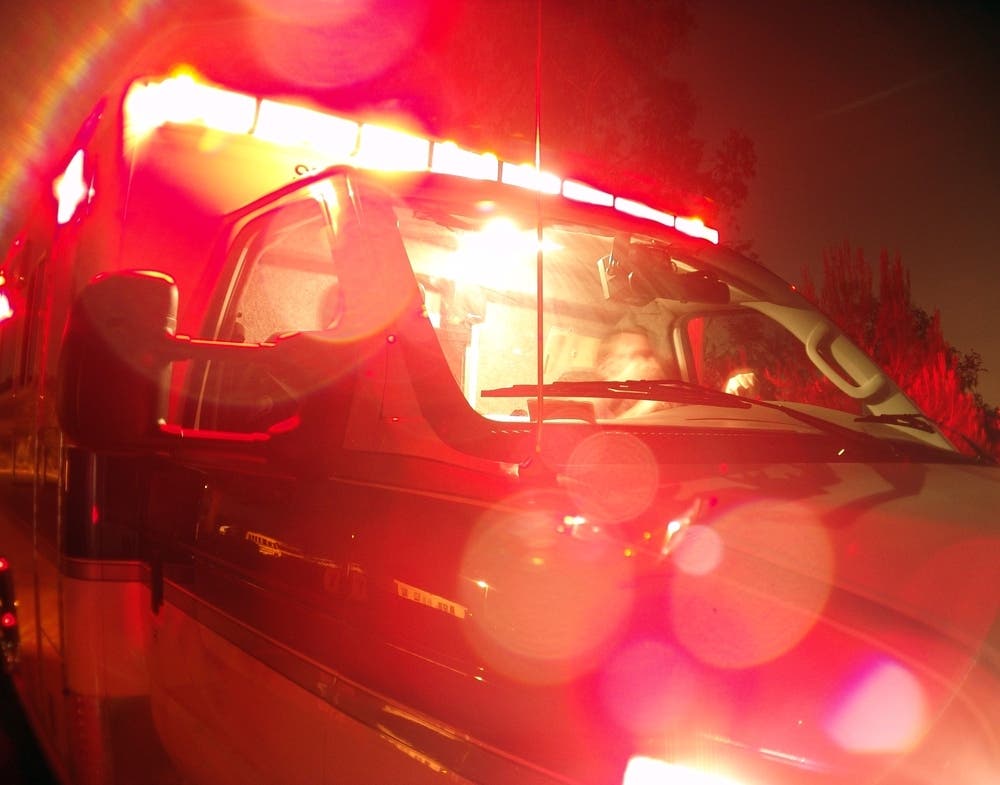
When an EMS provider—or paramedic—has an individual experiencing a heart attack or stroke, they will transport that patient to the closest Cardiac Interventional Center or Primary Stroke Center, respectively, bypassing those hospitals that are not designated or certified.
For residents in the areas surrounding Franklin Square, it brings peace of mind that they don’t have to travel far for expert help in an emergency.
Find out what's happening in Essex-Middle Riverfor free with the latest updates from Patch.
The most common type of heart attack is caused by an artery that supplies blood to the heart becoming suddenly blocked. It’s called an ST-elevation myocardial infarction, or “STEMI.” When this happens, Franklin Square and other Cardiac Interventional Centers are prepared to perform a balloon angioplasty within a short time of arrival at the hospital. Balloon angioplasties lead to fewer complications and better outcomes than other forms of treatment.
Stroke occurs when a blood vessel to the brain is either blocked or bursts. When this happens, the part of the brain that cannot get blood and oxygen begins to die. Franklin Square and other Primary Stroke Centers have comprehensive stroke care programs that include extensive education as well as new treatment techniques.
This includes the use of a clot buster called TPA which, if given within three hours of the onset of neurological symptoms, can re-establish flow to the brain and potentially reverse symptoms or significantly reduce disability from stroke.
Whether it’s a heart attack or stroke, time can make the difference between life and death. This means the patient plays an important role in getting not only the appropriate treatment, but getting it as soon as possible. The first step is to recognize the signs and symptoms.
For heart attacks, the wide range of warning signs can include:
- shortness of breath
- nausea or vomiting
- pain down one or both arms
- back, neck, jaw or stomach pain
- breaking out in a cold sweat
For strokes, be on the lookout for:
- weakness, numbness, tingling or a loss of feeling in your face, arm or leg
- loss of coordination in your arm or leg
- slurred speech, trouble speaking or problems understanding others when they speak
- loss of balance or falling
- sudden, severe headache of unknown cause, especially when associated with another stroke symptom
- loss of vision or double vision
The next step is to get emergency care. Taking a “wait and see” approach, or trying to drive to the hospital yourself, could prove deadly. If you suspect that you or someone you know is having a heart attack or stroke, call 911 immediately.
To learn more about what you can do to prevent a heart attack or stroke from happening in the first place, visit the American Heart Association and the American Stroke Association websites.
Get more local news delivered straight to your inbox. Sign up for free Patch newsletters and alerts.