Community Corner
One Year Later: What Did You Learn from Tropical Storm Irene?
It was a storm that left hundreds in Newton without power and more than a dozen streets closed. What can Newton and New England learn from the storm?


It has been almost a year after , leaving trees and power lines down, homes damaged and many without power.
The storm blew through New England on Aug. 28, 2011, and although much of the Boston-area dodged a bullet in terms of storm damage, .
following the storm, as trees and downed power lines blocked routes and left some residents stranded in their homes.
Find out what's happening in Newtonfor free with the latest updates from Patch.
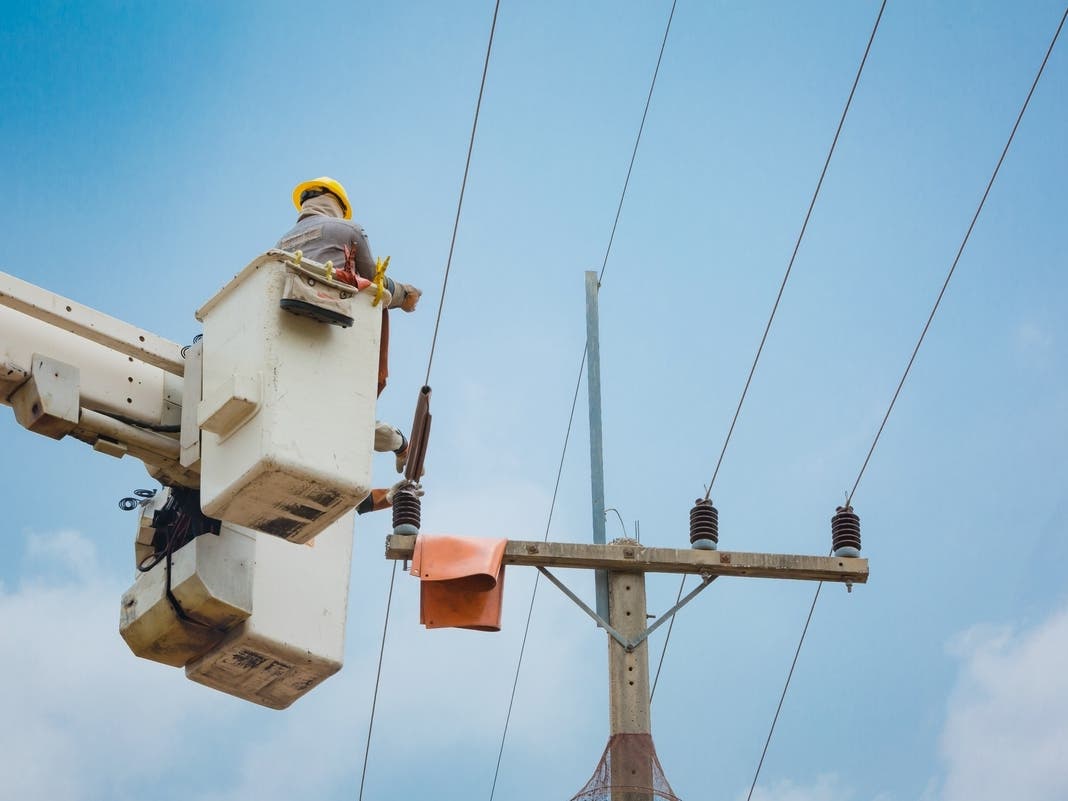
as NStar worked to repair and restore downed wires and utility poles.
Now that a year has passed since the storm, what have we learned? Share stories with us in the comments section below.
Find out what's happening in Newtonfor free with the latest updates from Patch.
According to a press release from National Grid, another company that provides electricity to some Massachusetts cities and towns, after the storm hit on Aug 28, 2011, the utility company reviewed its storm response procedures and reports improvements.
A National Grid video on why service interruptions happen during storms, and what customers can do about it is included in the media section to the right.
“We understand and acknowledge that many of our customers and communities were frustrated by the multi-day outages during Irene,” said Marcy Reed, president of National Grid in Massachusetts in the release. “I want them to know that we are determined to restore their faith in our ability to effectively respond to major storms and we will continue to make improvements in this area.”
But National Grid was not the only utility company on the hook for some of the extended outages last summer.
Earlier this month, Attorney General Martha Coakley announced that she is seeking to fine NStar (which NStar has challenged).
NStar released a statement on the same day disagreeing with Coakley's assessment, saying that "NStar Electric customers fared better than others in Massachusetts and throughout New England."
In the statement, Werner Schweiger, President of NSTAR Electric said that all storms are opportunities to "identify areas of improvement," but that "we have not reached a stage where technology is resistant to storm damage.”
For smartphone users, the , to help users prepare for the next storm that makes it up the coast.
The following is a press release from National Grid:
NATIONAL GRID IMPLEMENTS LESSONS LEARNED FROM TROPICAL STORM IRENE
Service Restoration Improvements and Better Communications in Place at One Year Anniversary. New Video Explains Power Restoration Process, Provides Storm Prep Guidance for Customers
One year ago Tropical Storm Irene battered the eastern seaboard creating unprecedented damage and interrupting electric service to millions along the east coast. As of August 28, 2011, it was the most severe storm to hit New England in 20 years.
Massachusetts was not spared from Irene’s wrath. Her fury ravaged National Grid’s electricity system and left more than 518,000 customers without power in 170 of the 172 communities served by National Grid in the state. From that devastation has come innovation in the way National Grid prepares for severe weather, allocates its resources to restore power more quickly, and communicates with its customers and public safety officials.
“We understand and acknowledge that many of our customers and communities were frustrated by the multi-day outages during Irene,” said Marcy Reed, president of National Grid in Massachusetts. “I want them to know that we are determined to restore their faith in our ability to effectively respond to major storms and we will continue to make improvements in this area.”
“Since last fall we have conducted a comprehensive review of our approach to storm response that includes significant input from customers, local and state elected and public safety officials to identify and address areas for improvement. We have made good progress and are working hard to do better,” Reed said. “These changes, combined with investing nearly $500 million this year in our Massachusetts electric system to maintain it and strengthen its reliability, will help us better serve customers and be better prepared for what Mother Nature may bring.”
Since Irene, National Grid has implemented many new or enhanced practices including:
- A review of every National Grid employee’s storm assignment to maximize their ability to contribute during storms and to help expedite restoration. Particular attention was paid to enhancing resources to support wires down and damage assessment.
- An enhanced damage assessment process that will enable information from the field to be gathered more rapidly, which, coupled with data from existing outage reporting systems will allow National Grid to more quickly and accurately determine where to send crews. This, in turn, will enable the company to determine estimated restoration times faster for customers and communities.
- Expanding contractor relationships that cover a wider geographic area. This effort is focused on contractors in the Midwest and South to increase flexibility and responsiveness in any type of storm. National Grid also has established standardized processes and methods to ensure that contractors are available and ready when needed and to speed deployment of their crews to the field once they arrive.
- A “community liaison” program in which a company representative is assigned to every affected community during a storm to provide community officials direct contact with the company. The company has a corps of trained community liaisons ready to be deployed during future storms and emergencies.
National Grid also is collaborating with local communities on aggressive tree trimming to help limit outages during future weather events. It has enhanced management of wires down situations to free-up local police and fire and has improved dispatching and tracking of outside crews to speed restoration. The company has enhanced customer communication and engagement and will reach out to customers as severe weather approaches to advise them of potential outages and has expanded its use of social media sources to communicate with customers. Providing more extensive notification of impending severe weather to cities and towns and more channels through which municipalities can communicate with the company also is part of the company’s enhanced storm preparation plan.
National Grid has produced an informational video that is now available to customers. It details some of the reasons for service interruptions, what must be done to restore power safely and quickly, and what customers can do in the event of an outage. The video can be viewed on the Outage Central page of National Grid’s website at https://www1.nationalgridus.com/OutageCentralHub. It is also available on YouTube: http://www.youtube.com/watch?v=7GTUh9pR-Ag&feature=youtu.be
NATIONAL GRID
National Grid (LSE: NG; NYSE:NGG) is an electricity and gas company that connects consumers to energy sources through its networks. The company is at the heart of one of the greatest challenges facing our society - to create new, sustainable energy solutions for the future and developing an energy system that underpins economic prosperity in the 21st century. National Grid holds a vital position at the center of the energy system and it ‘joins everything up’.
In the northeast US, we connect more than seven million gas and electric customers to vital energy sources, essential for our modern lifestyles. In Great Britain, we run the gas and electricity systems that our society is built on, delivering gas and electricity across the country.
National Grid delivers electricity to more than 3.2 million customers in Massachusetts, New York and Rhode Island. It manages the electricity network on Long Island under an agreement with the Long Island Power Authority (LIPA), and owns over 4,000 megawatts of contracted electricity generation, providing power to over one million LIPA customers. It is the largest distributor of natural gas in northeastern U.S., serving approximately 3.3 million customers in New York, Massachusetts, and Rhode Island.
For more information please visit our website: www.nationalgridus.com.
Get more local news delivered straight to your inbox. Sign up for free Patch newsletters and alerts.