Community Corner
$20M Upgrade At Newark Water Treatment Plant Crosses The Finish Line
Newark Mayor Ras Baraka said his administration has invested nearly $400 million into the city's water and sewer infrastructure.


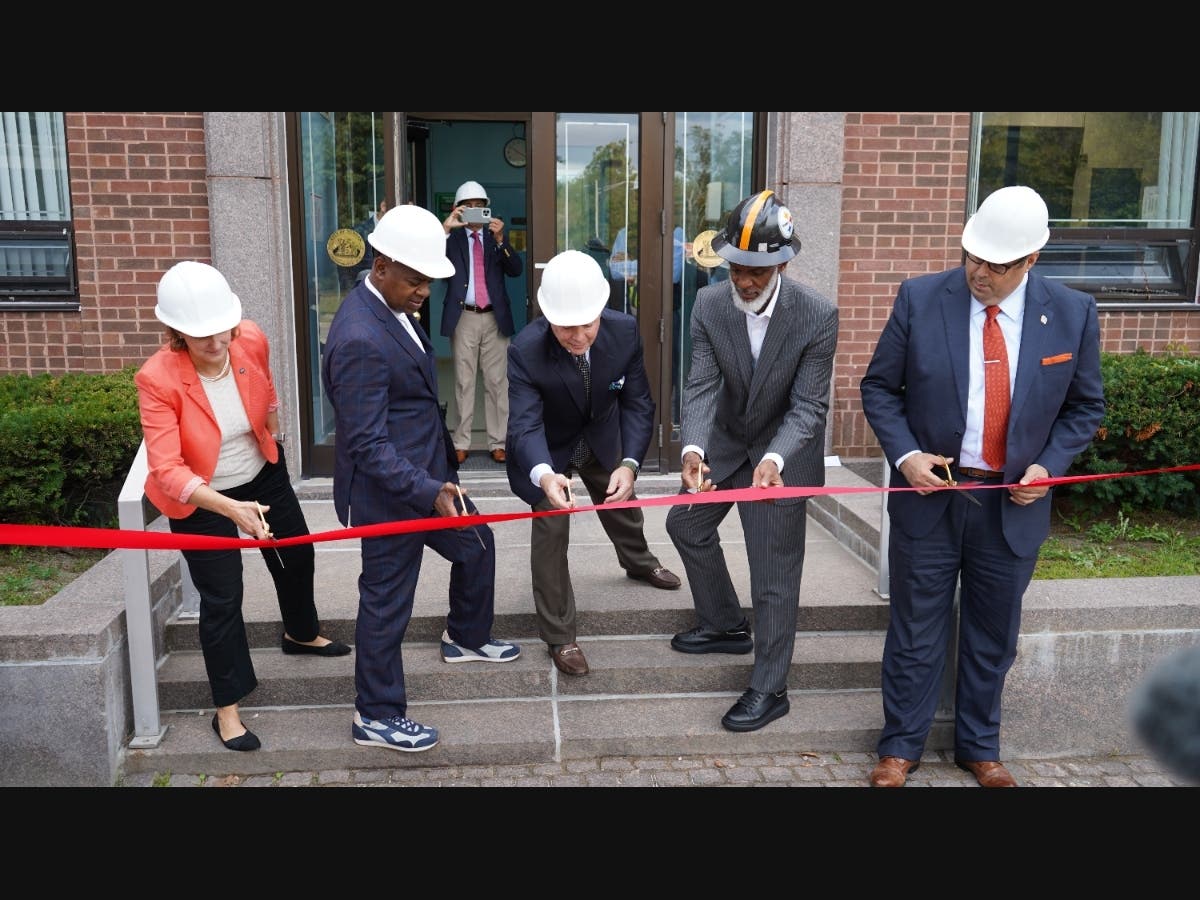


NEWARK, NJ — Sixty million gallons of water per day. That’s the capacity of a newly upgraded treatment plant that will provide drinking water to nearly 400,000 people the Newark area – a “milestone” for the city, officials say.
On Wednesday, a ribbon cutting was held for a $20.5 million upgrade at the City of Newark’s Pequannock Water Treatment Plant.
Among the upgrades are filter enhancements, the installation of a filter air-scouring system, and a new Supervisory Control and Data Acquisition for improved operational control and efficiency of the plant. New physical assets were replaced to extend the plant’s lifespan, including 60 valves and nine backwash pumps.
Find out what's happening in Newarkfor free with the latest updates from Patch.
The plant was first built in 1989. It provides water to Newark and some surrounding cities and towns.
The project was funded by low-interest loans from the New Jersey Infrastructure Bank, saving ratepayers an estimated $7.55 million, city officials said. Read More: Newark Closes On $11.4M Loan To Add 2 Water Treatment Filters
Find out what's happening in Newarkfor free with the latest updates from Patch.
“Although we’re celebrating today, the work is not over,” Newark Water and Sewer Utility Director Kareem Adee said.
“This fall, we are continuing our investment in Newark’s water infrastructure by installing two additional filters, which will push the plant to produce in excess of 70 million gallons per day,” Adee said.
According to Adee, the upgrades will help Newark to “stay ahead of the curve” when it comes to contaminants like PFAS. Read More: Toxic PFAS ‘Forever Chemicals’ Widely Found In NJ Water, New EPA Data Shows
“We are happy to celebrate this milestone today,” Mayor Ras Baraka agreed.
“Three years ago, we were standing in this same spot getting the project started,” Baraka said. “Now, [it] has come to fruition.”

WATER IN NEWARK
Baraka said his administration has invested nearly $400 million in Newark’s water and sewer infrastructure, not including the city’s Lead Service Line Replacement Program, which cost an additional $195 million in bonds.
Six years ago, Newark made national headlines when it confronted a lead water crisis. At one point, the lead levels at some points in the city’s drinking water had risen to 47 parts per billion at some sites, more than three times the federal threshold. It prompted an outcry from residents – and a lawsuit from advocates.
Newark eventually identified two sources of the contamination. One was the way the city treated its water, which allowed excess corrosion to take place in aging pipes. The city responded by rolling out a new method of treating its water, which is also sold to several nearby towns and cities in Essex County.
The second issue wasn’t as quick of a fix, however.
Newark officials traced some of the contamination to lead-lined service pipes leading to thousands of local homes. The pipes – which connect local homes and businesses to the local water supply – can potentially leach contamination as water passes through them. A portion of the pipes may be privately owned, complicating efforts to replace them.
Despite the challenges and scope of the project, Newark has since replaced more than 20,000 lead service pipes, a massive effort that got a big thumbs up from officials including former vice president Kamala Harris.
Send local news tips and correction requests to eric.kiefer@patch.com. Learn more about advertising on Patch here. Find out how to post announcements or events to your local Patch site.
Get more local news delivered straight to your inbox. Sign up for free Patch newsletters and alerts.


