Crime & Safety
Feds Give Green Light For More Bike/Ped Safety Funds
A new federal grant is passing down funds for bike and pedestrian safety programs designed to reduce crashes, injuries and fatalities.


SAN JOSE, CA -- Cycling and walking may be considered solo sports, but it takes a team effort to pull off a victory in having participants come home safely.
That's the premise behind the state securing $1 million in federal grant funds this month for the California Highway Patrol's Pedestrian and Bicyclist Enforcement and Education Project. Human-power travelers account for almost a third of roadway fatalities, according to data collected from the Statewide Integrated Traffic Records System in 2016 -- with 1,000-plus cyclists and pedestrians killed and more than 26,000 injured.
The education program covers the culprits -- motorists failing to yield for pedestrians, speeding, distracted driving and non compliance of the state's 3-foot safety buffer law. If that's not enough to scare people off the streets, cyclists are sometimes at fault riding in the wrong direction as well as making right-of-way violations and improper turns.
Find out what's happening in Campbellfor free with the latest updates from Patch.
The CHP has seen just about everything. Take San Jose, for example, which accounts for the highest annual average number of bicycle-involved collisions at 346 from 2008 to 2012.
"I saw a guy texting a message on his bike, lost control and flipped," CHP San Jose spokesman Ross Lee said.
Find out what's happening in Campbellfor free with the latest updates from Patch.
Sometimes the problem lies in the terrain and territory. Alum Rock Avenue in the unincorporated area of San Jose has its fair shares of incidents. Many recreational riders come flying down the steep and windy Quimby Road, only to end up in a heap. Stevens Canyon in Cupertino has its issues, while the San Tomas Expressway provides concern for law enforcement and those daring enough to navigate the high-speed roads, Lee listed.
"Any one of these roadways are going to have pedestrian and cycling accidents," Lee said. "It's incumbent on the cyclists themselves to follow the rules of the road. We take this very seriously."
That's because the odds are so high motorists are going to clash with them.
Lee said one would be surprised by how many people don't understand the rules, even if they want to follow them. So education goes a long way to reach the most vulnerable. CHP plans to use those funds to bring out more officers on their days off, conduct bicycle safety events and buy more helmets. In Santa Clara County alone, 47 percent of bike trauma injuries from 2010-2014 involved riders not wearing helmets.
With the level of bicycle commuting rising by 21 percent in four years, County Public Health is eyeing the statistics. Mountain View had the most growth in the sport at 56 percent, followed by Los Altos at 47 percent and about half that for Palo Alto. This Santa Clara County city saw the second highest number of collisions with 133.5 per 100,000 people. And obviously, with a vehicle versus bicycle collision, there's no question who will be the winner.
"If we can save one life, it's better than no lives," Lee said.
Saving all lives is the goal, according to the Silicon Valley Bicycle Coalition, Santa Clara County Public Health Department and city of San Jose, among other advocates. The agencies are working in conjunction to reduce the number of injuries and fatalities under a program called "Vision Zero," which was spawned in Sweden in 1997 when the Parliament introduced a policy aimed at eliminating deaths on the roads. The goal of no people killed or hurt seems lofty but worthy when one considers taking part in these sports is meant to be a healthy solution to living.
"It takes a long time to change behavior. We've seen a slight downtick in fatalities, but we're not necessarily patting each other on the backs," San Jose Department of Transportation spokesman Colin Heyne said.
In 2015, the city recorded 50 fatals -- "about what homicides are," Heyne lamented.
Injuries among the two groups have dropped by 20 percent from 600 in 2016 to 450 in 2017.
"We try to reach the most vulnerable users. We know if we can makes the streets safer for these folks, they'll be safer for everyone," he said.
Particular problem areas include: First, Market San Salvador and Santa Clara streets; Alma, Fruitdale, Meridian, Saratoga, Hillsdale, Leigh and Camden avenues; as well as the highways of SR280 to the Lawrence Expressway, U.S. 101 and SR87 referred to as the Guadalupe Parkway.
In becoming the fourth city in the nation to formally adopt a Vision Zero transportation safety initiative, San Jose realizes making better bikeways takes more than rounding up people and telling them what to do. It takes roadway upgrades that make the sport safer. Many transportation departments including the South Bay's largest to adopt "traffic calming" features that delve into the subtle psychology of driving. When the road narrows, traffic slows down, thus giving the pedestrian and cyclist a fighting chance. Radar speed-display signs play into a motorist's guilt and willingness to do the right thing.
In 2017, the city's DOT installed 35 miles of new, on-street bikeways and enhanced 20 miles of existing cycling routes with buffers and other features to identify conflict zones where motorists and cyclists cross paths.
The 2020 goal is to complete a 500-mile bikeway network, with a fifth of that dedicated to trail rides. Even farther out, the General Plan 2040 calls for a multimodal transportation system with investments nearing $100 million in traffic safety improvements.
Is it worth it?
Just ask the 39 percent of respondents who said they know someone seriously injured or killed in a traffic collision in San Jose or even the 11 percent who have experienced one.
And in the land of innovation as the Silicon Valley, San Jose isn't alone in this fight. It has dedicated 10 miles of streets known as the Transportation Innovation Zone. This is a testing ground for creative demonstration projects.
The National Safety Council estimated 40,200 people died on U.S. streets and highways in 2016, the highest rate in nine years. This figure represents a 6 percent increase over 2015 and 14 increase from 2014. Many involved attribute this to more cyclists and walkers on the streets.
Any improvement is welcome news to the Silicon Valley Bicycle Coalition.
"These incidents are not accidents but collisions and crashes that have real causes and solutions that can mitigate deaths and major injuries," coalition spokeswoman Emma Shlaes said.
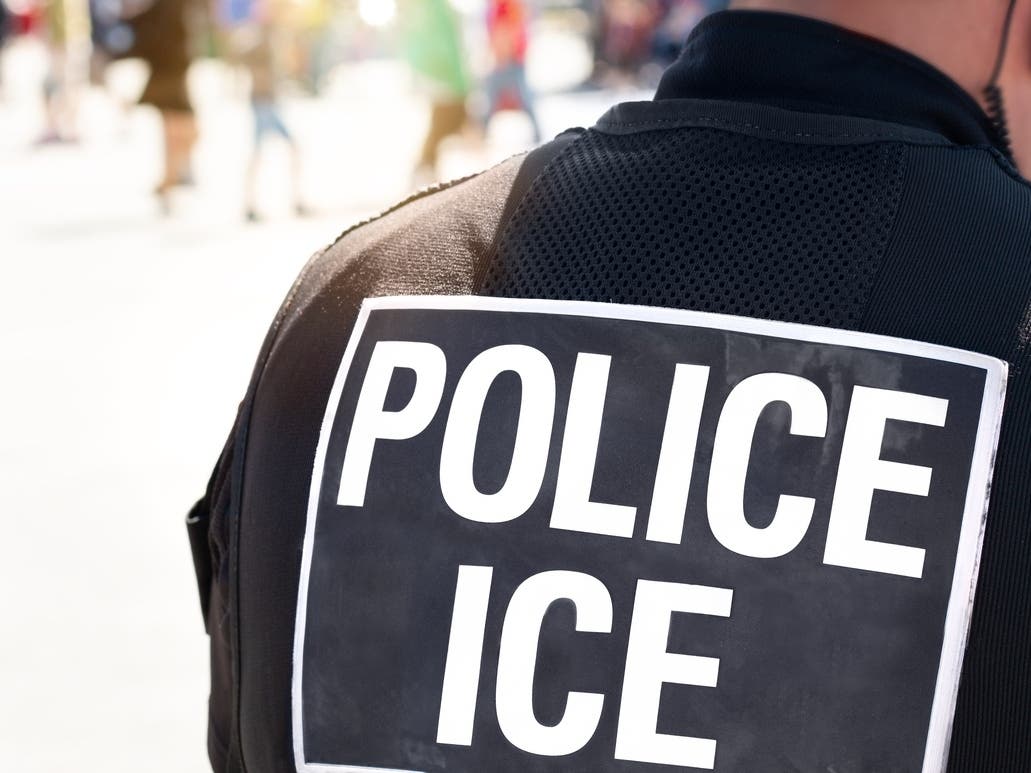
--Image via Sue Wood, Patch
Get more local news delivered straight to your inbox. Sign up for free Patch newsletters and alerts.