Politics & Government
Morning Report: What's Behind San Diego's Wildfire Luck
Devastating wildfires, each one seemingly bigger and more destructive than the last, have battered California for the last several years.

By The Voice of San Diego, the Voice of San Diego
December 22, 2020
Devastating wildfires, each one seemingly bigger and more destructive than the last, have battered California for the last several years.
Find out what's happening in San Diegofor free with the latest updates from Patch.
But San Diego, for the most part, has largely escaped the conflagrations seen in other parts of California. Is San Diego just lucky, or is it doing something right?
It seems to be a bit of both, science reporter Diana Leonard writes in a new VOSD piece examining the lessons San Diego provides for the rest of the state in its handling of wildfires.
Find out what's happening in San Diegofor free with the latest updates from Patch.
Modernizing equipment and streamlining operations has helped, but there’s a limit to just how much firefighting itself can rein in wildfires.
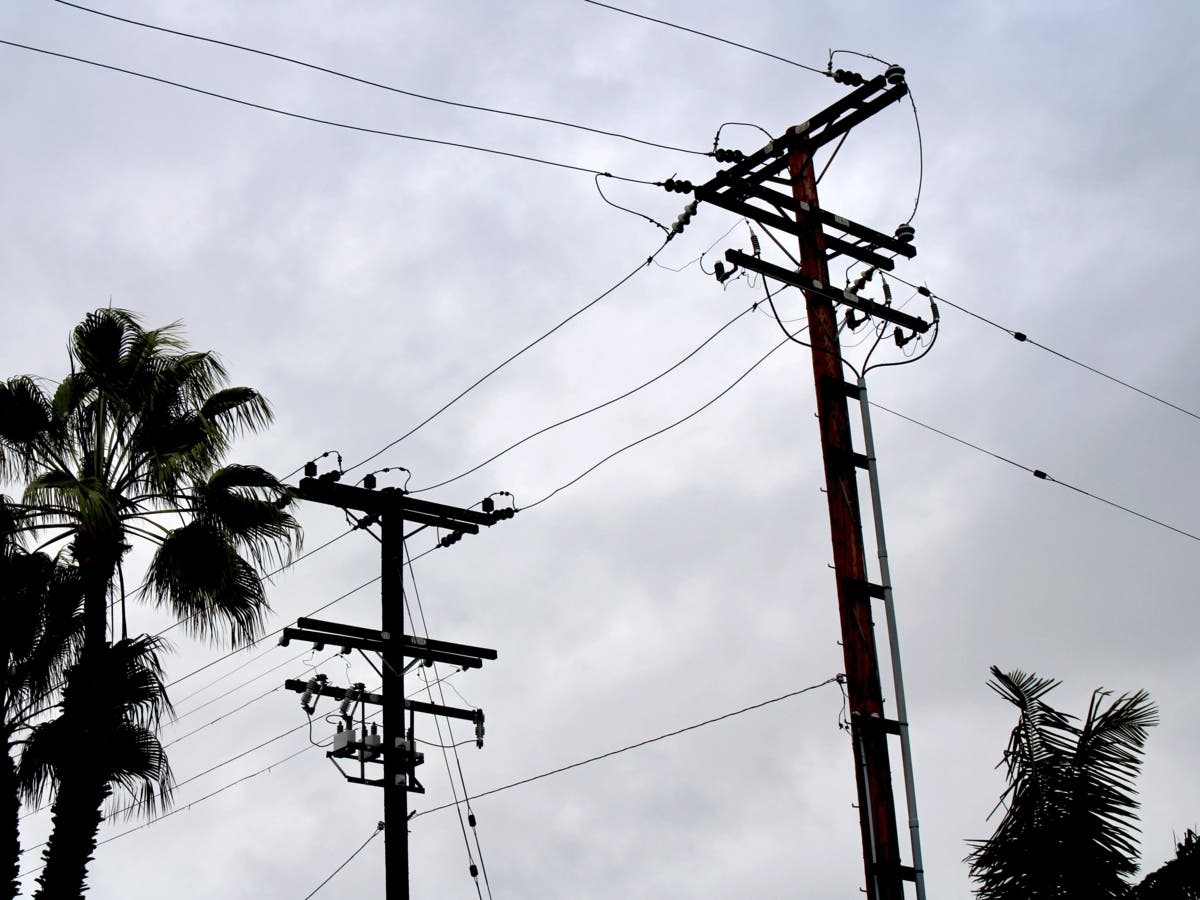
That’s where strategies like proactively thinning forests and proactively shutting off power to prevent powerline ignitions comes in.
One expert thinks there’s another reason San Diego has been relatively protected: The massive wildfires from 2003 and 2007 created so-called burn scars that can act as a buffer around more flammable areas. But those scars are becoming old enough that they might not be useful for much longer.
KPBS Got the COVID Data Everyone Wanted
Throughout the pandemic, members of the public and news organizations, including Voice of San Diego, have been pushing county officials to release information about where outbreaks have been happening.
Finally that data is now available, because of an epic scoop by Katy Stegall and Claire Trageser at KPBS.
Previously, the county only provided very broad categories for the businesses and locations where outbreaks occurred. But Stegall and Tregaser managed to get their hands on a list of the actual locations where outbreaks have taken place.
A couple of findings:
- Around 20 percent of outbreaks occurred in restaurants. Some – like Olive Garden and the Cheesecake Factory – experienced multiple outbreaks.
- Big box stores like Target and Wal-Mart also accounted for a significant chunk of the outbreaks.
- More than 600 individual COVID cases were also linked to casinos.
There’s a super important caveat here: An “outbreak” is not necessarily an outbreak. In this case, it means at least three people who had COVID visited a place over a 14-day period. So that means, particularly in places like the big box stores, there may have been no transmission of COVID in the stores. What it may mean instead is that many, many people came through the doors of those stores and some of them happened to have COVID.
What’s Next for the Franchise Fee
It looks like, for now, we won’t have a dramatic showdown between tweed-suited energy executives outbidding one another at City Hall for the privilege of winning the city’s franchise fee contract.
As a consolation, we do have MacKenzie Elmer’s analysis in the Environment Report about what the latest developments mean for the city’s energy future.
For example, there does appear to be an appetite among new Council members for the city to create a climate equity fund that can be funneled to aid disadvantaged communities.
And two Council members are pushing Mayor Todd Gloria to put language in the eventual contract that would allow the city to purchase SDG&E’s equipment, a step it would need if the city wants to take power fully public.
In Other News
- Cruise ships are headed back to San Diego soon, but they won’t be carrying passengers for now. (City News Service)
- The Moderna vaccine has begun arriving in San Diego and could be administered to health care workers as soon as Tuesday. (CBS 8)
- After Will Huntsberry’s latest column on families’ continued struggles with distance learning, we heard from a lot of parents, teachers and community members. We rounded up some of their comments here.
The Morning Report was written by Sara Libby and Will Huntsberry, and edited by Scott Lewis.
Voice of San Diego is a nonprofit news organization supported by our members. We reveal why things are the way they are and expose facts that people in power might not want out there and explain complex local public policy issues so you can be engaged and make good decisions. Sign up for our newsletters at voiceofsandiego.org/newsletters/.