Weather
Full Buck Moon Is A Supermoon: When To Watch In Illinois
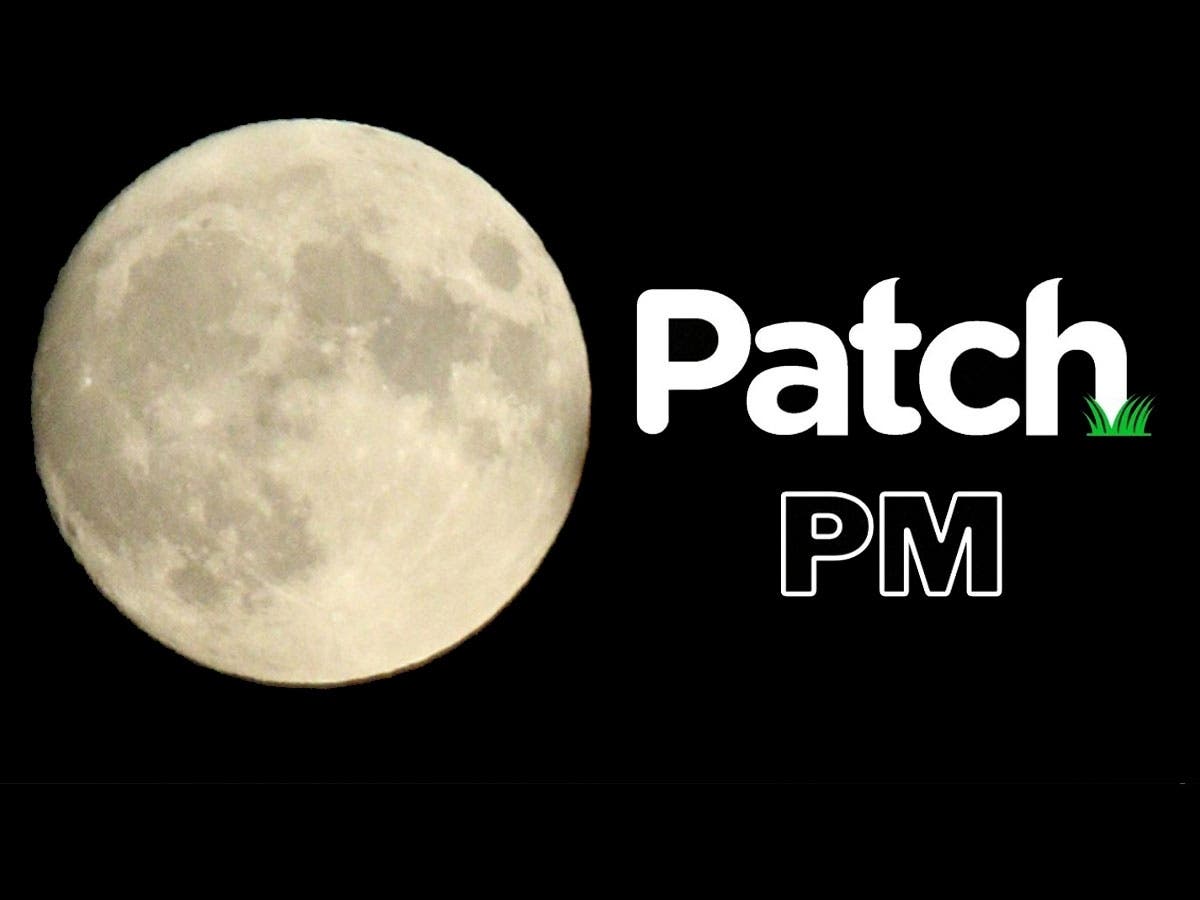
Clear skies will make for prime sky-watching as the moon will appear 15 percent larger than normal and will be 17,000 miles closer to earth.


ILLINOIS— For Illinois residents who enjoy spending their summer evenings outdoors enjoying what are some of the most pleasant nights of the year, this week offers a special sky-gazing opportunity when a full buck moon arrives: And for local residents who enjoy looking upward, Tuesday evening is also the latest chance to view a supermoon.
Not only that, but the July full moon will be the biggest and brightest supermoon of the year, experts said. It reaches peak illumination at 1:37 p.m. Central Time on Wednesday but will be well below the horizon when that happens.
Astronomy experts say that on Wednesday, the moon will be approximately 222,000 miles from earth, which is about 17,000 miles closer than it is normally. According to Adler Planetarium in Chicago, a full supermoon appears to look about 15 percent bigger and brighter than an average full Moon although many people can't tell the difference, experts say.
Find out what's happening in Across Illinoisfor free with the latest updates from Patch.
So for Illinoisans who want to catch the full buck moon, set a reminder to begin looking toward the southeast sky after sunset just before 8:30 p.m. on Tuesday to see it rise in the sky.
And if that wasn’t enough sky-gazing excitement, meteor showers are starting again. The Delta Aquariids start Tuesday and continue through Aug. 2, peaking July 28-29. Moonless skies will make the peak worth catching.
Find out what's happening in Across Illinoisfor free with the latest updates from Patch.
Back to the supermoon: Whether you’ll be able to see it depends on the weather. AccuWeather’s Tuesday night’s forecast calls for mostly clear skies with temperatures near 67 with a northwest wind blowing between 5-10 mph. The clear skies will return on Wednesday when sunny skies are again expected with more clear conditions.
The full moon reaches perigee — that is, its closest approach to Earth in its elliptical orbit — at 4:47 a.m. EDT on Wednesday.
If you miss it, there’s one more chance this summer to see a full moon that qualifies as a supermoon. The full sturgeon moon in August will also be a supermoon.
A supermoon isn’t an astronomical term, but one coined by astrologer Richard Nolle in 1979 to explain the effect of perigee — the moon’s closest approach to Earth in a given orbit — when it occurs during a full moon.
The July full moon is called a bull buck moon because it’s the time of year the antlers of male deer are in full growth. Deer shed and regrow their antlers every year, “producing a larger and more impressive set as the years go by,” according to The Old Farmer’s Almanac.
- You Might Also Like: Why Aurora Borealis Displays Are More Likely Right Now
Get more local news delivered straight to your inbox. Sign up for free Patch newsletters and alerts.