Community Corner
Common Plants Are Being Mistaken for Giant Hogweed
Giant hogweed coverage in the news is causing many people to be concerned about non-toxic plants on their property. Here are photos of common look-alikes to help you better distinguish between these plants.


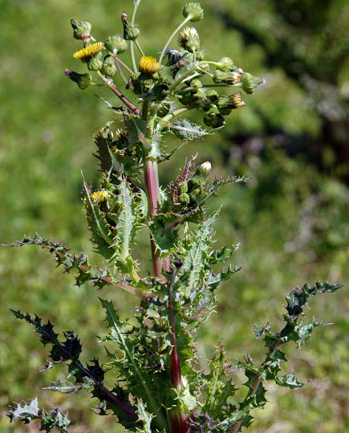


Michigan State University’s Diagnostic Services has received several photos from Michigan residents concerned about giant hogweed. The plants depicted in most of these photos are of the same three or four types of plants: motherwort, various sowthistles and prickly lettuce. These are very common plants found routinely in Michigan and are not hazardous – other than being a little prickly.
In the past five years, Diagnostic Services has only confirmed two cases of giant hogweed. Based on Michigan Department of Agriculture and Rural Development (MDARD) historical records, giant hogweed has been confirmed in only 20 of Michigan’s 83 counties. Due to the lack of staff and funding, and the occurrence being so low, MDARD is no longer tracking the weed.
Giant hogweed has very large leaves up to 5 feet across. This plant is capable of reaching 6 to 12 feet high. The stem has purple blotches and coarse, white hairs at the base of the petioles or leaf stalks.
Find out what's happening in Plymouth-Cantonfor free with the latest updates from Patch.
If you think you have giant hogweed, please refer to the Michigan State University Extension bulletin E-2935, “Giant Hogweed: An attractive but dangerous federal noxious weed. Have you seen this plant in Michigan?” There are good quality color photos you can use for comparison. You can also refer to theMSU Extension article “Giant hogweed: Not widely spread in Michigan.”
If you are concerned about a possible giant hogweed suspect, please send high quality digital photos to Diagnostic Services at pestid@msu.edu.
Find out what's happening in Plymouth-Cantonfor free with the latest updates from Patch.
If you get sap from giant hogweed on your skin, cover the area immediately so the affected area does not come in contact with sunlight. Wash the area with hot, soapy water as soon as possible, and keep it covered and out of the sunlight for 48 hours. If a rash develops or pain persists, seek medical attention.
This article was published by Michigan State University Extension. For more information, visit http://www.msue.msu.edu. To contact an expert in your area, visit http://expert.msue.msu.edu, or call 888-MSUE4MI (888-678-3464).
Get more local news delivered straight to your inbox. Sign up for free Patch newsletters and alerts.