Business & Tech
NRC Finds Oyster Creek Safety Valve Malfunctioned For Nearly Two Years
Nuclear Regulatory Agency Steps Up Inspections Of Plant in Lacey Township


LACEY TOWNSHIP - An emergency relief valve at the Oyster Creek Nuclear Plant that malfunctioned for nearly two years has led to additional scrutiny by the federal Nuclear Regulatory Commission, an NRC spokesman said.
"NRC oversight of Oyster Creek will increase as a result of the finding's finalization," NRC spokesman Neil Shcchan said. "Namely in the form of a team inspection that will be performed to evaluate Exelon's root cause analysis of why the problems occurred, steps it has taken to ensure there is not a recurrence; and its assessment of whether the problem could have implications for other parts of plant operations."
The finding involves a problem with one of the plant’s five electromagnetic relief valves, which are used to depressurize the reactor during a pipe break to allow coolant to be injected into the reactor core. That keeps the nuclear fuel in the reactor covered and cooled during the shutdown, he said.
Find out what's happening in Laceyfor free with the latest updates from Patch.
The problem was identified during an NRC inspection at the end of 2016.
Exelon personnel failed use lock washers when they reassembled an EMRV, which in led to the valve not being unable to perform its safety function. Oyster Creek’s technical specifications require that all of its EMRVs must remain operable whenever the plant is online. If one of the valves is inoperable for more than three days, the reactor must be shut down and reactor pressure must be reduced to 110 psig (pounds per square inch gauge) or less within 24 hours.
Find out what's happening in Laceyfor free with the latest updates from Patch.
"However, the incorrect reassembly of the valve led to it being inoperable between Oct. 11, 2014, and Sept. 19, 2016," Sheehan said.
The NRC finalized a “yellow” (substantial safety significance) inspection finding for Oyster Creek in April 2015 for a different issue involving the plant’s EMRVs. In that case, the issue was deemed to be an old design issue because it was a past design-related problem that did not reflect a performance deficiency with existing licensee programs, policies or procedures, he said.
"But the current EMRV issue is not considered an old design issue because it is not a design-related problem and was the result of a current performance deficiency – the incorrect reassembly of the valve," Sheehan said.
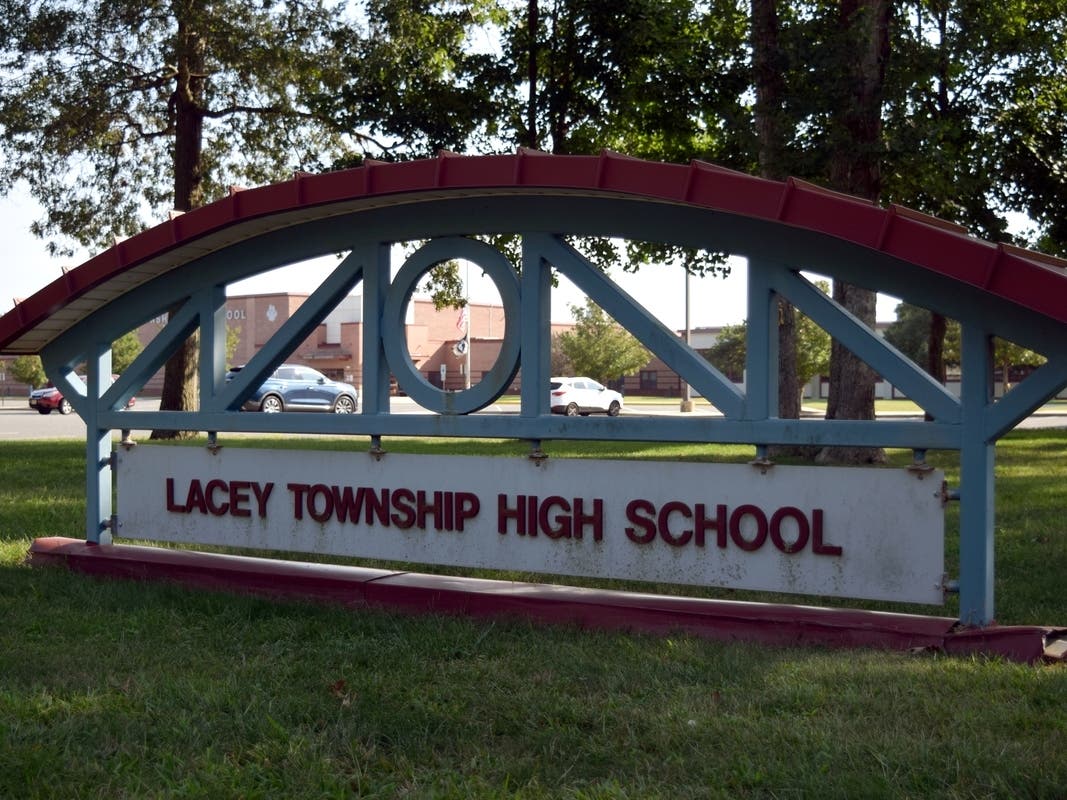
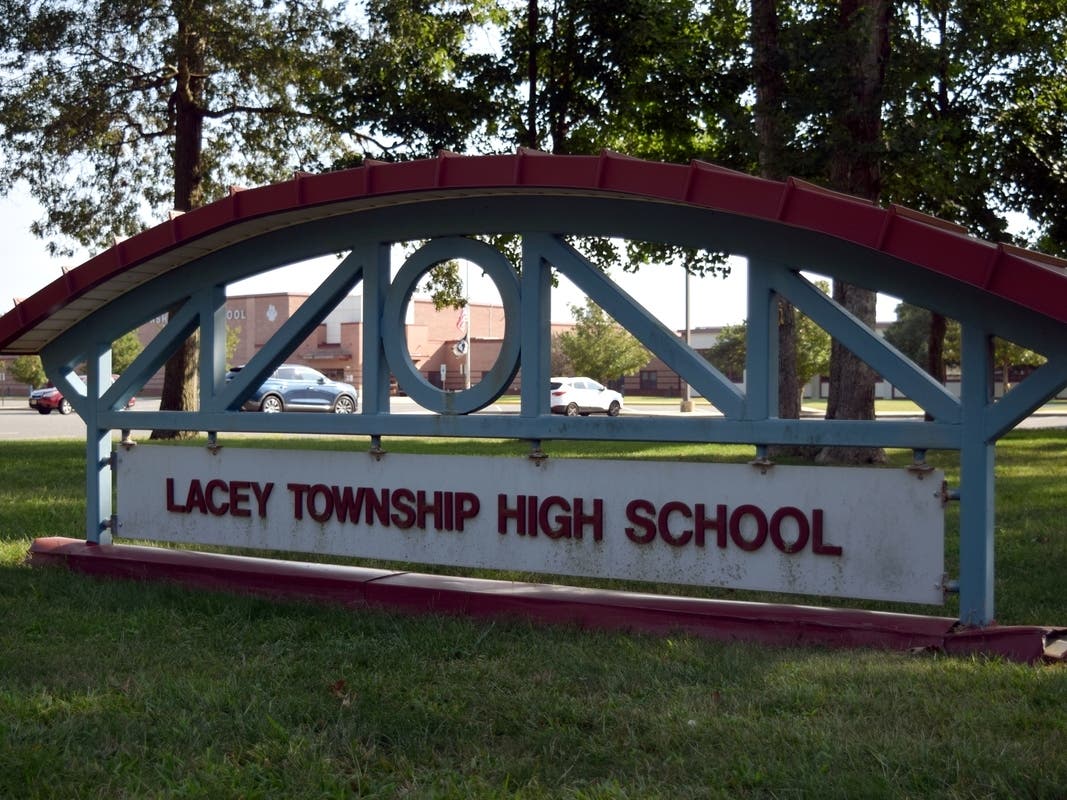
Image: Patricia A. Miller
Get more local news delivered straight to your inbox. Sign up for free Patch newsletters and alerts.