Seasonal & Holidays
Rutgers Researchers Hard At Work, Trying To Invent A Sweeter Cranberry
Looking for something other than politics to chat about around the table? How about the hard work Rutgers is putting into the cranberry:


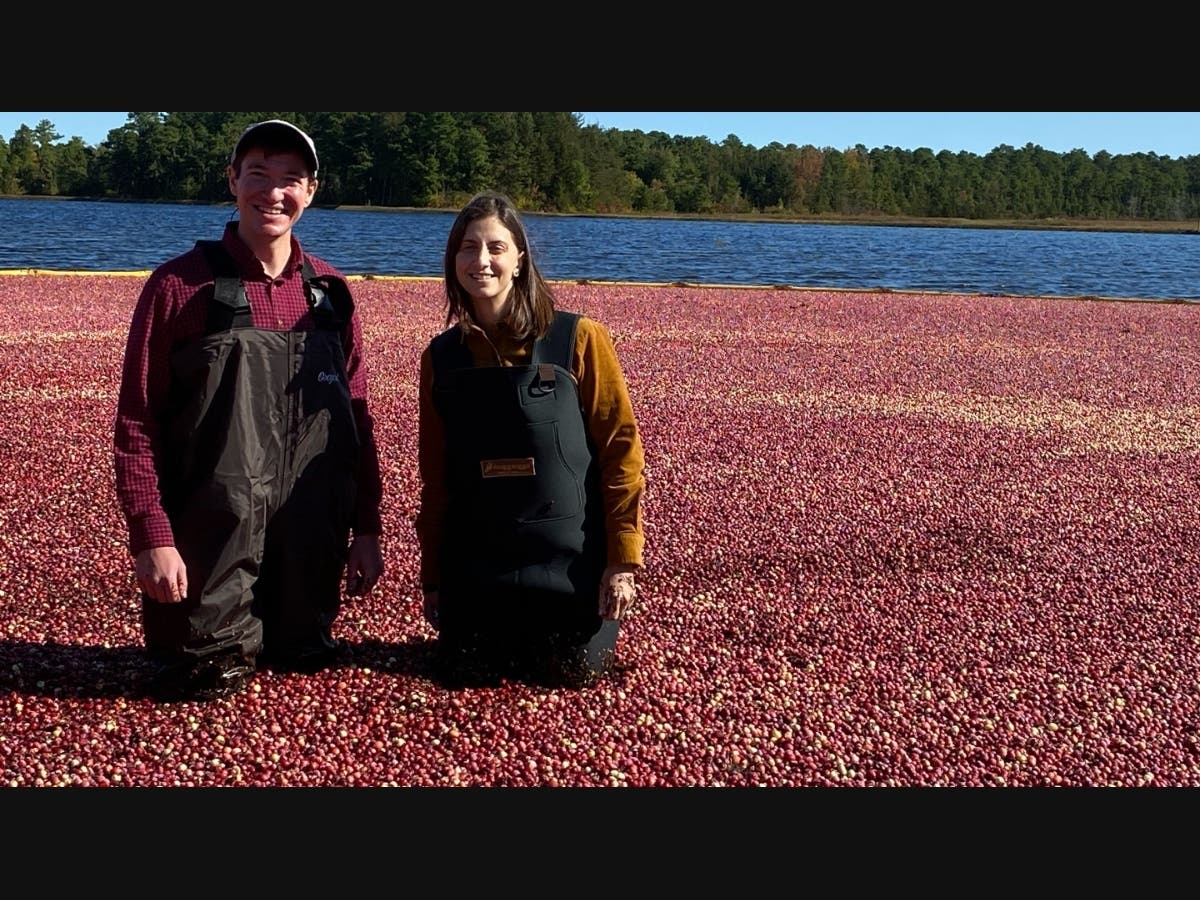

NEW BRUNSWICK, NJ — Looking for something other than politics to chat about around the Thanksgiving table?
How about cranberries!
Share this tidbit of information with your friends and family: That cranberry you're about to bite into was most likely invented by Rutgers scientists. And those same researchers are currently hard at work inventing not only a cranberry more resistant to fruit rot, but also a sweeter cranberry.
Find out what's happening in New Brunswickfor free with the latest updates from Patch.
“Everybody would love a sweeter cranberry,” said biology professor Gina Sideli, who is the new director of the Rutgers Center for Blueberry and Cranberry Research, located in the Burlington County Pine Barrens.
Her team spent this past fall screening the genetic sequence of cranberry plants in hopes of identifying the genes that result in a less acidic cranberry.
Find out what's happening in New Brunswickfor free with the latest updates from Patch.
“We don’t know if that's possible, but maybe if we lower the acid levels it may not be as tart or sour and we might perceive it to be sweeter," she said.
In September, Sideli was named director of the Rutgers cranberry research center, taking over a job that has been done for the past three decades by biology professor emeritus Nicholi Vorsa. It is Vorsa who is credited with making Rutgers the worldwide leader of cranberry research and development. He is actually known as the "cranberry man" in the U.S. fruit growing industry.
In this 30+ years of work, Vorsa invented seven new cranberry varieties. The cranberries Vorsa invented in his Pine Barrens lab now make up the bulk of all cranberries sold in the U.S. and Canada today. His patented cranberries are grown in bogs from New Jersey to Wisconsin, Massachusetts and as far north as British Columbia.
Vorsa’s research has led to the sequencing of the cranberry genome and identification of genes impacting fruit chemistry, as well as disease resistance.
As Rutgers' new "cranberry woman," Sideli said she plans to continue Vorsa's research; she hopes to unveil new cranberries resistant to fruit rot within the next few years. Fruit rot is a fungus that can strike cranberry bogs in late summer and early fall during extended periods of heat and humidity. The disease, which has flourished especially in recent years as climate change brings extreme weather patterns, can decimate 10 to 20 percent of harvests — significantly eating into cranberry farmers’ profits.
Sideli also has cranberry goals of her own, including modernizing the way the center monitors crops.
“By taking a drone into the bogs, we can take thousands of pictures and analyze them with one algorithm. This will get us data much faster and increase breeding efficiency so we can make selections faster," she explains.
Sideli said she is excited to work with cranberries, because they are extremely nutritious, help improve urinary tract health and are high in antioxidants.
“I think more people would find ways to eat them if they understood the health benefits,” she said. “I’ve had cranberry salsa twice now. If you swap out tomatoes for cranberries and peppers, onions and herbs and spices, you can have fresh salsa in the fall and winter. I was skeptical at first, but on a tortilla chip it was very good.”
Sideli comes to Rutgers from the University of California-Davis, where she worked in walnut and almond research.
Get more local news delivered straight to your inbox. Sign up for free Patch newsletters and alerts.