Politics & Government
UES Participatory Budget: Here Is Where Nearly $2M Is Going
All selected projects must benefit the public, cost at least $50,000 and have a lifespan of at least five years.


UPPER EAST SIDE, NY — Last month, Upper East Siders got to vote on how to spend $2 million in public dollars, and now the results are in.
The winning participatory budgeting projects have been announced by Upper East Side City Council Member Julie Menin.
More than 5,000 residents cast votes on where $1 million of city council budget dollars should be spent in the neighborhood this winter—a more than 140 percent increase from last year's participatory budget season.
Find out what's happening in Upper East Sidefor free with the latest updates from Patch.
The District 5 participatory budget turnout was the second highest citywide this year—and the highest in Manhattan.
In wake of the incredible participation, Menin decided to increase her allocation to nearly $2 million so the top six projects could be fully funded.
Find out what's happening in Upper East Sidefor free with the latest updates from Patch.
"I am proud to announce an increased commitment of nearly $2 million for three additional projects, harnessing the momentum of our community’s exceptional civic engagement and laying the groundwork for greater achievements ahead," Menin said. "My sincere thanks to our schools, local nonprofits, and civic leaders for their support in rallying the community to direct these funds where they are most needed."
The program provides an opportunity for residents of New York City to actively engage in the allocation process of City Council funds. Through this initiative, community members can submit proposals detailing their recommendations on how to utilize money from the discretionary funds allocated by each participating council member.
All potential projects must benefit the public, cost at least $50,000 and have a lifespan of at least five years.
Here are the winning projects and how much money each one will get.
Technological Upgrades for the Five Libraries in District 5:
The project, valued at $250,000, will involve comprehensive upgrades across computer systems, software, tablets and printers.
Wheelchair Accessibility at M.S. 114:
This project, costing $400,000, aims to enhance accessibility at East Side Middle School by installing a wheelchair-accessible exterior entrance and providing accessible lunch tables in the cafeteria for both students and faculty.
"East Side Middle School is thrilled—and incredibly grateful—to have been awarded this funding, which will benefit both our own school as well as P.S. 138, with which we are co-located," said Jesse Kupferman, Interim-Acting Principal, East Side Middle School.
"Responding to a real need, our community rallied for the participatory budgeting vote when they realized that alterations to the ESMS building could make it safer, more welcoming, and more accessible for students in wheelchairs," Kupferman added.
Music and Auditorium Upgrades at M.S. 167:
The $350,000 project at Robert F. Wagner Middle School will involve upgrading shelving and storage facilities, expanding seating capacity, and installing soundproof paneling to enhance the learning environment and acoustics for students.
"Wagner Middle School is grateful to Council Member Menin for her support and for including our school in the participatory budget vote," said Jennifer Rehn Losquadro, Principal, Wagner Middle School.
"I am proud of our school community for rallying behind the initiative to upgrade our music room and auditorium. The support we received in the participatory budgeting cycle reflects our commitment to enhancing the educational experiences of our students," Rehn Losquadro added.
Shared Cafeteria and Gymnasium Utility Upgrades for P.S. 158 and M.S. 177:
The $400,000 project will fund upgrades to install a new air conditioning system that will serve the shared cafeteria and gymnasium utilized by both Yorkville East Middle School and Bayard Taylor School.
Technological Upgrades and 3D Printer at P.S. 527:
The $125,000 project encompasses enhancements in interactive technology, notably the addition of a new 3D printer aimed at enriching technological and engineering education at East Side School for Social Action.
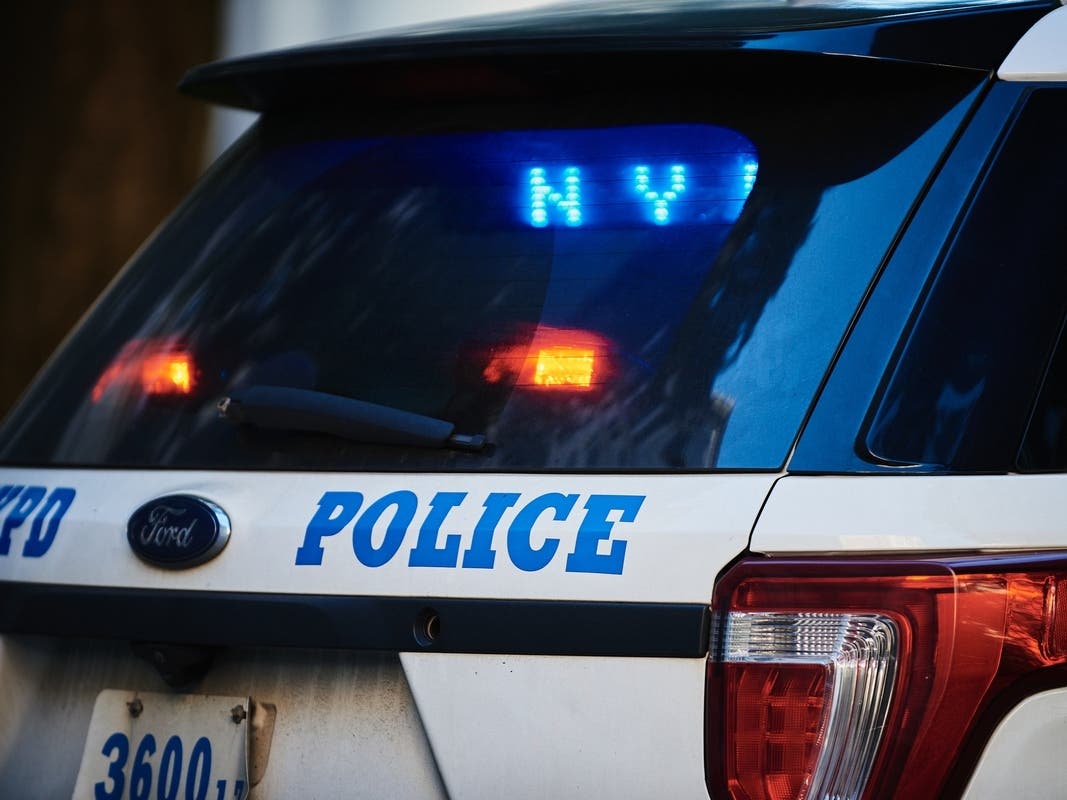
Brand new mobile command center for the NYPD’s 19th precinct:
The $400,000 project will facilitate the acquisition of a new mobile command center, intended to bolster safety measures during large-scale events, street fairs and dignitary visits.
"The turnout of our community members has been remarkable this participatory budgeting cycle, earning our district the top spot in Manhattan for the third year in a row," Menin said.
Participatory budgeting in New York City began in 2011 when four City Council Members—Brad Lander, Melissa Mark-Viverito, Eric Ulrich and Jumaane D. Williams—launched the initiative.
Over time, the practice has gained momentum and spread citywide, engaging additional council members and communities, according to the New York City Council.
Today, participatory budgeting in NYC empowers residents to directly influence public spending, promoting community involvement and giving citizens decision-making power each year.
Participatory budgeting has always been well-received, but this year, it has exceeded all expectations, surpassing even the loftiest predictions by a mile. Two years ago, when Ben Kallos represented the district in 2021, only 534 residents voted on how to spend $1 million.
Compared to this year, that's a nearly 906 percent difference.
"The community’s strong support will bring much-needed upgrades to schools, libraries, and enhanced public safety measures in our district," Menin said.
Get more local news delivered straight to your inbox. Sign up for free Patch newsletters and alerts.