Community Corner
May Skywatching Guide: When To See Meteors, Mercury And The Moon
Mercury, one of challenging planets to see because it's so close to the sun, will be visible in the early morning sky for a few days.


ACROSS AMERIA — The Eta Aquariids meteor shower going on now isn’t the only reason to go outside and look up at the skies this month.
May also brings a chance to see Mercury, the smallest planet in our solar system, and what is called the full flower moon.
The Eta Aquariids, sometimes spelled Aquarids with a single “i,” peak overnight Saturday and Sunday. This could be a year for an “outburst,” when meteors fly at a rate of about one a minute, about double the normal rate. The Eta Aquariids wind down at the end of the month, and the shower is the last major shooting star show until the Perseids peak around mid-August.
Find out what's happening in Across Americafor free with the latest updates from Patch.
Mercury makes an appearance in the early morning sky on May 9, according to AccuWeather. One of the most challenging planets to spot because it’s so close to the sun, it will show itself in the eastern sky about an hour before sunrise. It’ll still be visible on a few mornings after May 9, but won’t be as high in the sky.
A telescope isn’t required to see Mercury, but it won’t be overly bright. Just make sure you have a clear, unobstructed view of the eastern horizon.
Find out what's happening in Across Americafor free with the latest updates from Patch.
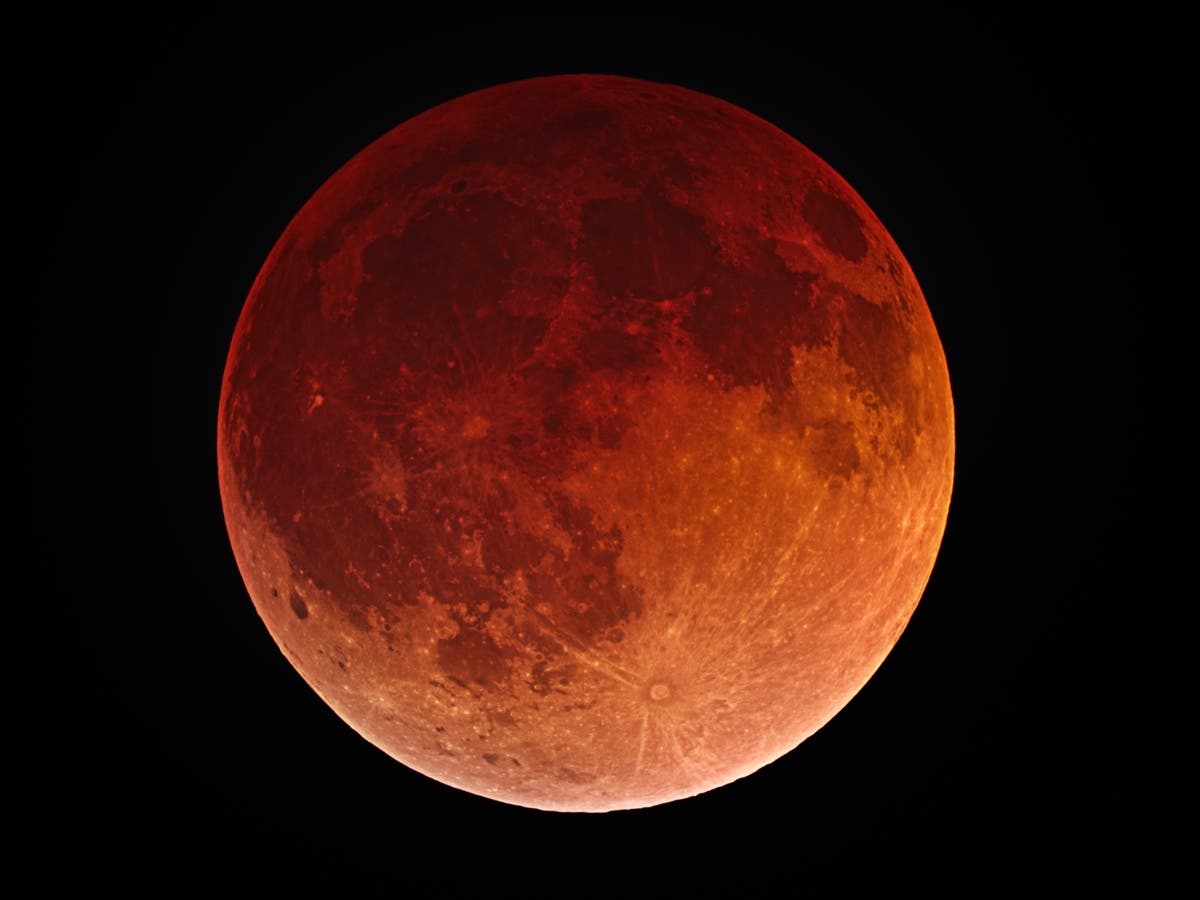
The full flower moon on May 23. It reaches peak illumination at 9:53 a.m. EDT, but it will be far below the horizon by then. The moon will look full the evening before, though.
Native American tribes often nicknamed the monthly full moons to track the season. The May full moon is called the flower moon for obvious reasons. It’s the time of year in North America when flowers blossom.
While the Algonquin peoples are credited with coining “flower moon,” the Cree named it the “budding moon” and “leaf budding moon,” while the Dakota and Lakota called it the “planting moon,” according to The Old Farmer’s Almanac.
Other Cree names include the “egg-laying moon” and “frog moon,” while the Oglala coined “moon of the shedding ponies.”
Get more local news delivered straight to your inbox. Sign up for free Patch newsletters and alerts.