Health & Fitness
Flu Cases Surging In VA: What To Know About Subclade K Mutation
Virginia has high influenza rates, with hospitalizations soaring. What to know about the new "subclade K" mutation.


The predicted surge of influenza cases, driven by the new “subclade K” mutation, is hitting Virginia emergency rooms as holiday get-togethers put people in close spaces where the flu virus can easily spread. Seven people in the state have died from influenza so far this season, health officials said.
Flu activity is high or very high in 48 states and jurisdictions, according to the latest data from the Centers for Disease Control and Prevention. At least 11 million people have gotten sick, and 5,000 people have died from the flu this season as vaccination rates wane. At least nine of those who died were children.
The CDC said the current influenza wave is expected to last several weeks. The agency also noted that RSV activity is elevated in many areas of the country, with emergency room visits and hospitalizations increasing in children under 4. COVID-19 activity is low but increasing nationally.
Find out what's happening in Across Virginiafor free with the latest updates from Patch.
In Virginia, the level of respiratory illness activity is high, according to the CDC's influenza map. That includes illnesses ranging from the cold to COVID-19, flu, and RSV.
Emergency department visits in the state for the flu are very high, the CDC said.
Find out what's happening in Across Virginiafor free with the latest updates from Patch.
The Virginia Department of Health said 9.8 percent of all emergency department visits as of Dec. 30 were due to the flu, and that trend is going up.
It’s influenza that is causing the most concern among health care providers. This year’s flu season is more serious for a few reasons. One is that the subclade K mutation emerged after the vaccine was chosen for the Northern Hemisphere, last February. Once the mutation became established, there wasn’t time to develop a better-matched vaccine. That leaves more people susceptible because the virus has found a way to evade pre-existing immunity from either an infection or vaccination.
Influenza A strain H3NS has mutated seven times, making the flu a more serious threat than in years past. It caused a severe flu season around the world, including in the U.K., Canada, Japan and Australia. Recent CDC data shows that nearly all virus samples since late September were the subclade K mutation.
“Right now we’re seeing clade K everywhere we are seeing influenza” in the U.S., Andrew Pekosz, a professor and vice chair of the department of molecular microbiology and immunology at the Johns Hopkins Bloomberg School of Public Health, said in a pre-Christmas news conference.
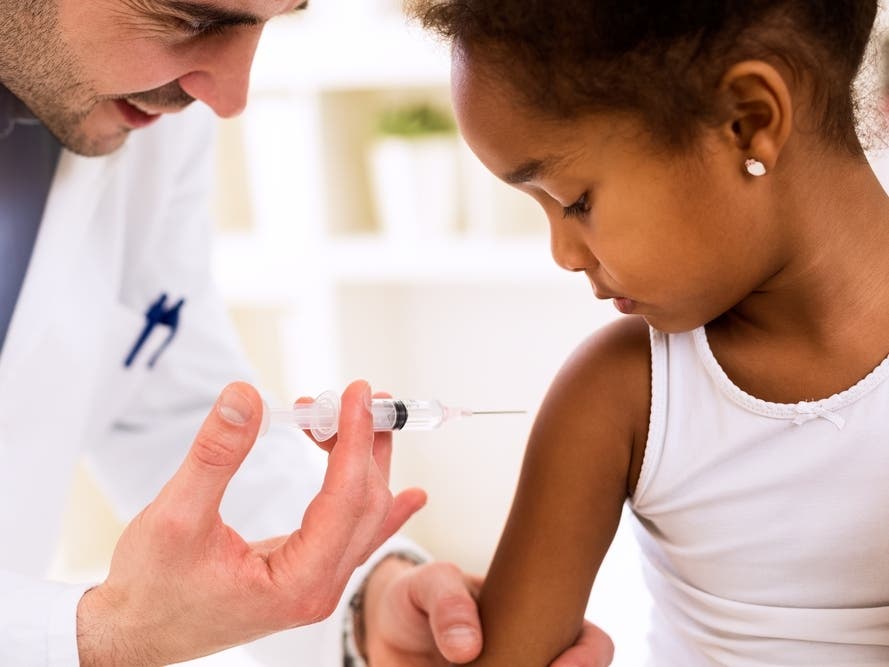
Even with a mismatch, health experts advise people to get flu shots, saying they should provide some protection against severe disease and death. The CDC recommends influenza vaccination for everyone 6 months and older who has not yet been immunized this flu season. Currently, approximately 130 million doses of the flu vaccine have been distributed across the U.S.
In mid-December, the CDC estimated 42 percent of Americans had gotten their flu shots. Rates vary greatly by age, with around 60 to 70 percent of older adults over age 65 getting their shots. Coverage varies from year to year, but generally falls far short of the 70 percent goal for herd immunity. Some flu seasons have seen vaccine coverage around 47 percent.
Pekosz, speaking at a Dec. 23 news conference, said the mutations “may allow it to evade some but not all of the influenza-vaccine-induced protection.”
“We’re still in the middle of trying to figure out whether it’s producing worse illness or whether what we’re seeing is a large number of cases that are increasing, and then there’s a correspondingly similar increase in terms of the severe illness,” he said.
The advice to get vaccinated was still on the CDC website on Monday, when the agency announced a major overhaul of the childhood vaccine schedule. Flu shots will be recommended in shared clinical decision-making, which means patients and providers will discuss vaccination before proceeding. This approach was adopted last year for most COVID-19 and hepatitis B vaccine recommendations.
Get more local news delivered straight to your inbox. Sign up for free Patch newsletters and alerts.