Politics & Government
Illinois Towns Lobby To Keep Revenue From 'Most Regressive' Grocery Tax
Gov. J.B. Pritzker wants to eliminate a 1% grocery sales tax at a cost of about $325 million to local governments.


SPRINGFIELD, IL — Local governments across Illinois stand to lose out on millions of dollars in revenue if Illinois lawmakers approve the governor's proposed elimination of the grocery sales tax.
Ahead of the approval of a state budget for the upcoming fiscal year, municipalities are lobbying legislators to oppose the tax cut, which is supported by both Democrats and Republicans in Springfield.
Gov. J.B. Pritzker proposed the elimination of the 1 percent grocery tax during his annual state of the state and budget address.
Find out what's happening in Skokiefor free with the latest updates from Patch.
"It's one more regressive tax we just don't need," Pritzker said. "If it reduces inflation for families from 4 percent to 3 percent, even if it only puts a few hundred bucks back in families' pockets, it's the right thing to do."
Scrapping the grocery tax will create a loss of about $325 million to local governments in Illinois, according to the Illinois Municipal League CEO Brad Cole, who called on all local officials to contact their state representatives and senators to oppose the tax cut.
Find out what's happening in Skokiefor free with the latest updates from Patch.
Cole said there was no lost revenue to towns as a result of the suspension of the grocery tax in the 2022 budget, since store owners still had to report their sales and state officials sent local governments a corresponding amount from the general fund. The latest proposal does not include such a transfer, the IML CEO said in a memo to local elected officials and senior staff.
"If the state wishes to transfer General Revenue Funds again to offset the loss, IML would support the proposal," he said, "but that is not what the Governor is recommending."
Although Pritzker has described the grocery tax as the "most regressive" in the state and said he believes it is "not proper to be taxing food," any Illinois town of at least 25,000 and all municipalities with home rule authority can still impose their own grocery tax and keep all the money collected from it.
Cities and villages across the state have provided estimates of how much revenue they are expecting to lose if the statewide grocery tax is eliminated.
Some of the biggest annual revenue losses expected to hit budgets in Chicago suburbs include $4.5 million in Aurora, $3.5 million in Naperville, $3.1 million in Schaumburg $3 million in Joliet, $2.5 million in Orland Park, $2.3 million in Niles, $2.2 million in Oak Lawn and $2.1 million in Wheaton. (A complete list of estimates from Illinois towns is available via the IML.)
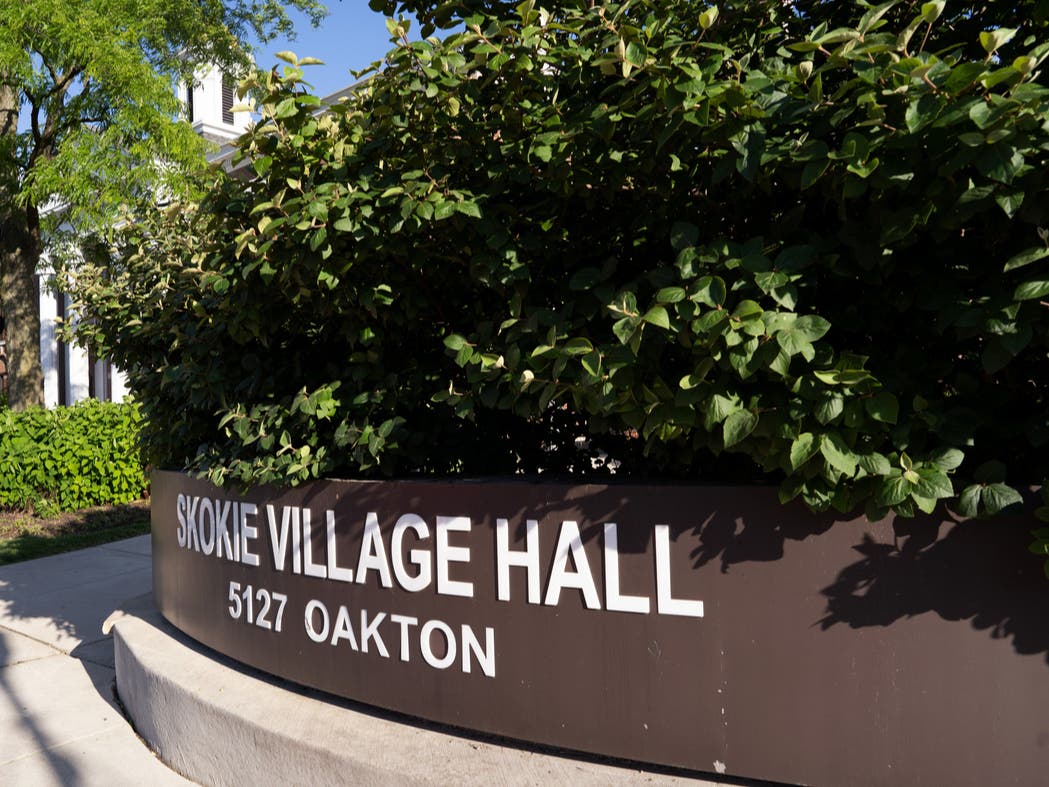
Village officials in Skokie have factored in the potential lost grocery tax revenue into their long-term forecasts included in this year's budget.
The $1.2 million in tax revenue, combined with draft legislation to require municipalities to pay for health insurance for retired public safety workers until they are 65 and to eliminate savings from previous pension reforms, would present "significant financial challenges during the next decade," according to village staff.
A chart produced by village staff indicates Skokie would face a growing deficit that would completely eat through its more than $37 million of reserve funds in the next six years as a result of the proposals pending in Springfield.

Get more local news delivered straight to your inbox. Sign up for free Patch newsletters and alerts.