A Forked River resident reported that he wired $8,700 to an account in Georgia through what he believed was “Google Wallet” for the purchase of a vehicle.
Google Wallet is an online system that stores payment information, transaction history, offers and more.
The victim saw the vehicle on craigslist and believed he was buying it from a legitimate person from Nebraska. Several emails were exchange.
Find out what's happening in Laceyfor free with the latest updates from Patch.
After the money was wired, the victim never received the delivery of the truck to his residence. The resident also was no longer receiving email correspondence from the person who was supposedly selling the truck.
The victim contacted Google and they told him that they had nothing to do with this purchase, and he was apparently the victim of a fraud.
Find out what's happening in Laceyfor free with the latest updates from Patch.
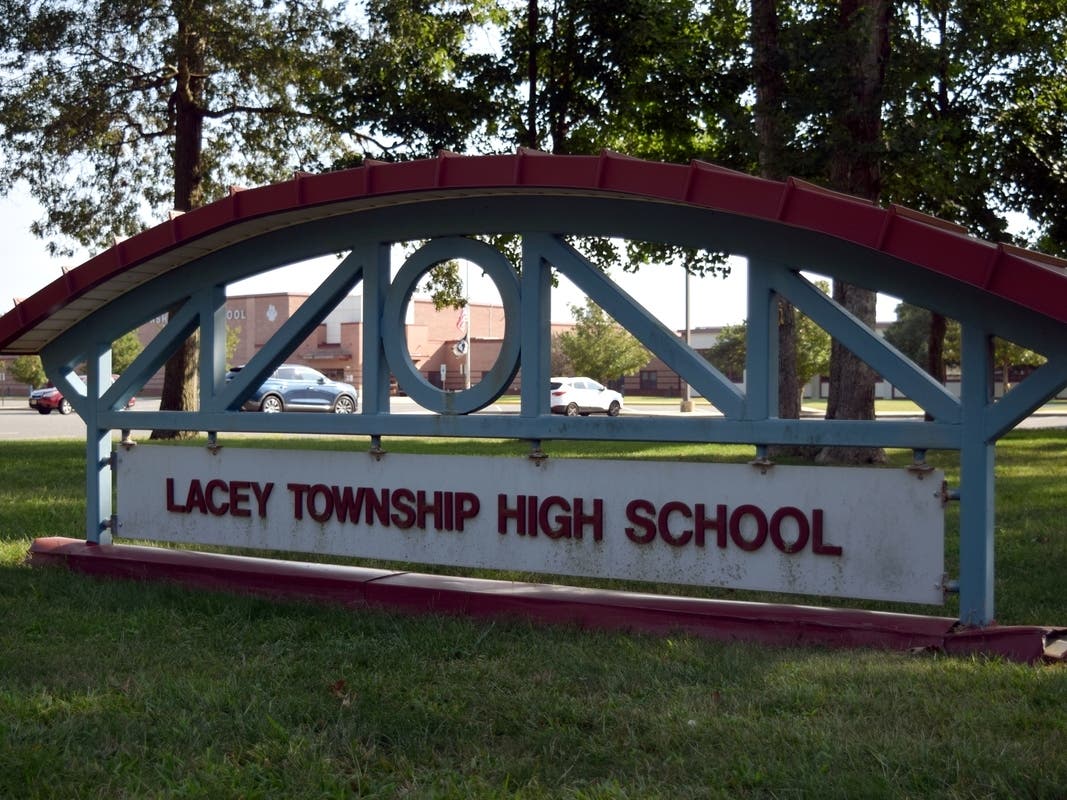
The incident was reported to Lacey police on March 18.
“Frauds of this nature are very common. Residents should be aware and make every effort to confirm the validity of a transaction before wiring or sending money,” Police Chief David Paprota said in a news release.
Paprota provided the following information on other attempted fraud incidents:
March 15
A senior resident of Forked River reported receiving a telephone call from 514-583-9931 claiming that the man’s grandson had been arrested in Ontario, Canada, and he needed to wire a $975 CVS money-gram.
The fraudulent caller provided an elaborate story and exchanged calls with the resident a couple of times in the process. Before completing the final transaction, the Lacey resident realized it was a scam and called the police.
March 19
At 7 p.m., a resident of Forked River reported that she received a phone call from someone identifying himself as an employee from Microsoft and informing her there was a problem with her computer.
The supposed “employee” asked her to allow him to remotely access her home computer. The resident did not feel comfortable giving this caller any information and when she told him that, the he hung up the phone.
The resident called back the number on her caller ID and it came back to “Tiger Direct.” The representative for Tiger Direct advised the resident that no one in their company had made the call and the subject that made the call must have disguised his Caller ID as “Tiger Direct.”
“Residents should be aware that callers can reset their Caller ID to display anything, therefore, a Caller ID should not be considered verification that a call is legitimate,” Paprota said in a news release. “Features such as *57 or *69 after you disconnect are sometimes helpful in tracing or calling back a suspicious caller.”
Get more local news delivered straight to your inbox. Sign up for free Patch newsletters and alerts.