Politics & Government
NRC Has No Plans For Oyster Creek 'Autopsy,' Spokesman Says
Costs of "harvesting" materials from the oldest nuclear plant in the United States are too prohibitive, NRC spokesperson say


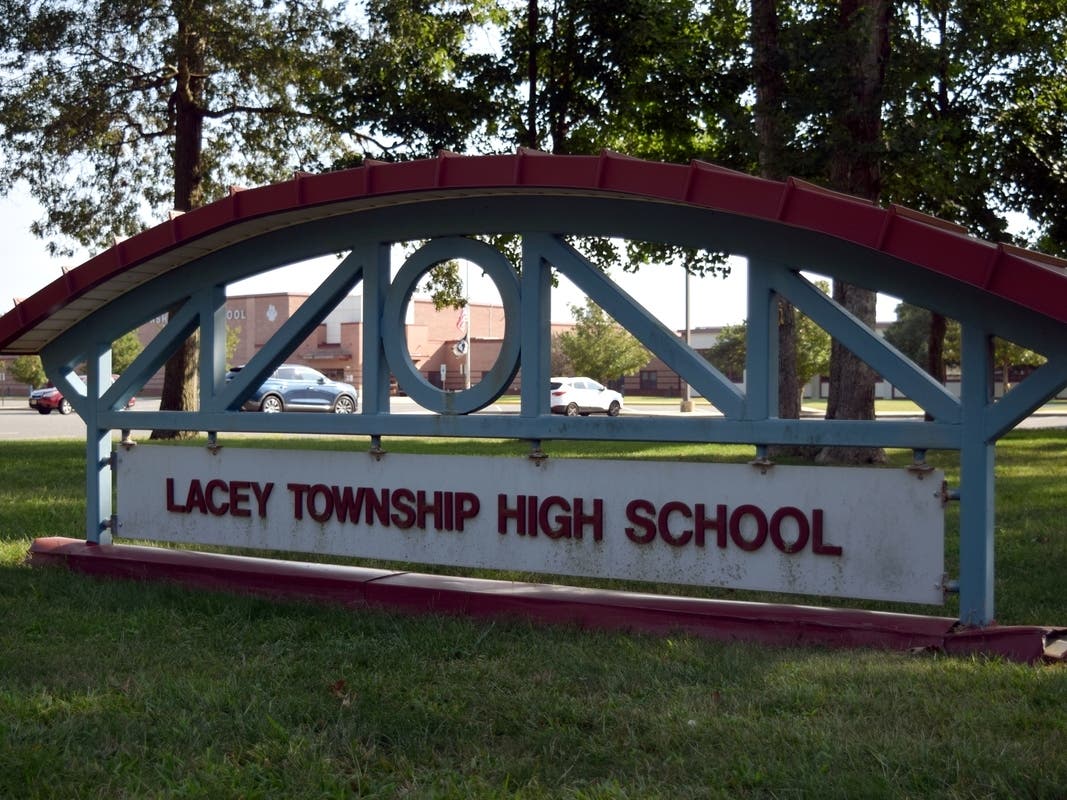
LACEY TOWNSHIP, NJ - The federal Nuclear Regulatory Commission has no plans to pursue the "harvesting" of any materials or components of the Oyster Creek Nuclear Plant once it closes, an NRC spokesperson said.
"We are trying to collect information on what might available and of interest to the NRC," spokesman Neil Sheehan said.
Members of several nuclear watchdog groups earlier this week called for an "autopsy" of Oyster Creek after it closes down in October and begins the decommissioning process.
Find out what's happening in Laceyfor free with the latest updates from Patch.
The groups want the NRC to oversee a "strategic harvesting" of aged reactor items from irradiated steel and safety-related components and structures to use as samples for laboratory analysis or what they call an "autopsy."
The groups include Maryland-based Beyond Nuclear, New Jersey Clean Water Action and GRAMMES, a New Jersey watchdog organization.
Find out what's happening in Laceyfor free with the latest updates from Patch.
But Sheehan said costs and budgetary constraints must be considered. In previous harvesting operations of other nuclear plants, the federal Department of Energy and other organizations provided the bulk of the funding, he said.
"In some cases, the NRC has participated and provided minor funding," Sheehan said. "Another consideration is the timing of decommissioning of any plant. If a plant is going to be placed into ...long-term storage, prior to dismantlement, that may rule out the option of retrieving components in the near term, ."
The watchdog group say the examining Oyster Creek's aging metal components provides an opportunity to see what happens after nearly 50 years of being exposed to radiation.
"What happens to those metal components is a life or death question for those living in neighborhoods near aging, rusting nukes," said Janet Tauro, board chairperson of New Jersey Clean Water Action, the state's largest environmental group.
Paul Gunter, director of the reactor oversight project for Beyond Nuclear, says examining Oyster Creek is not only an option, but a public safety requirement.
The NRC is pursuing the development of a database for sources of materials for harvesting, which could include both previously harvested materials and those available for future harvesting, he said.
Oyster Creek is the oldest nuclear plant in the United States. It went online in December of 1969.
It has a General Electric Mark 1 boiling water reactor, the world's first Fukushima-style nuclear reactor. There are still 21 nuclear plants in the United States with the same type of reactor.
Exelon, the plant's owner, surprised the NRC and local officials when they announced earlier this year that the plant would close in October, more than a year ahead of schedule.
Photo: Patricia A. Miller
Get more local news delivered straight to your inbox. Sign up for free Patch newsletters and alerts.