Community Corner
Lyrid Meteor Shower Peak: When To Watch For Fireballs In The Hudson Valley
It's time to start watching for fireballs in the skies over the Hudson Valley as the Lyrid meteor shower peak approaches this weekend.


HUDSON VALLEY, NY — It’s time to start watching for fireballs in the skies over the Hudson Valley as the Lyrid meteor shower peak approaches this weekend.
The best times to view this shooting star show, known for producing fireballs that blaze across the sky and leave dust trails that last for several seconds, are from evening to dawn Friday through Monday morning.
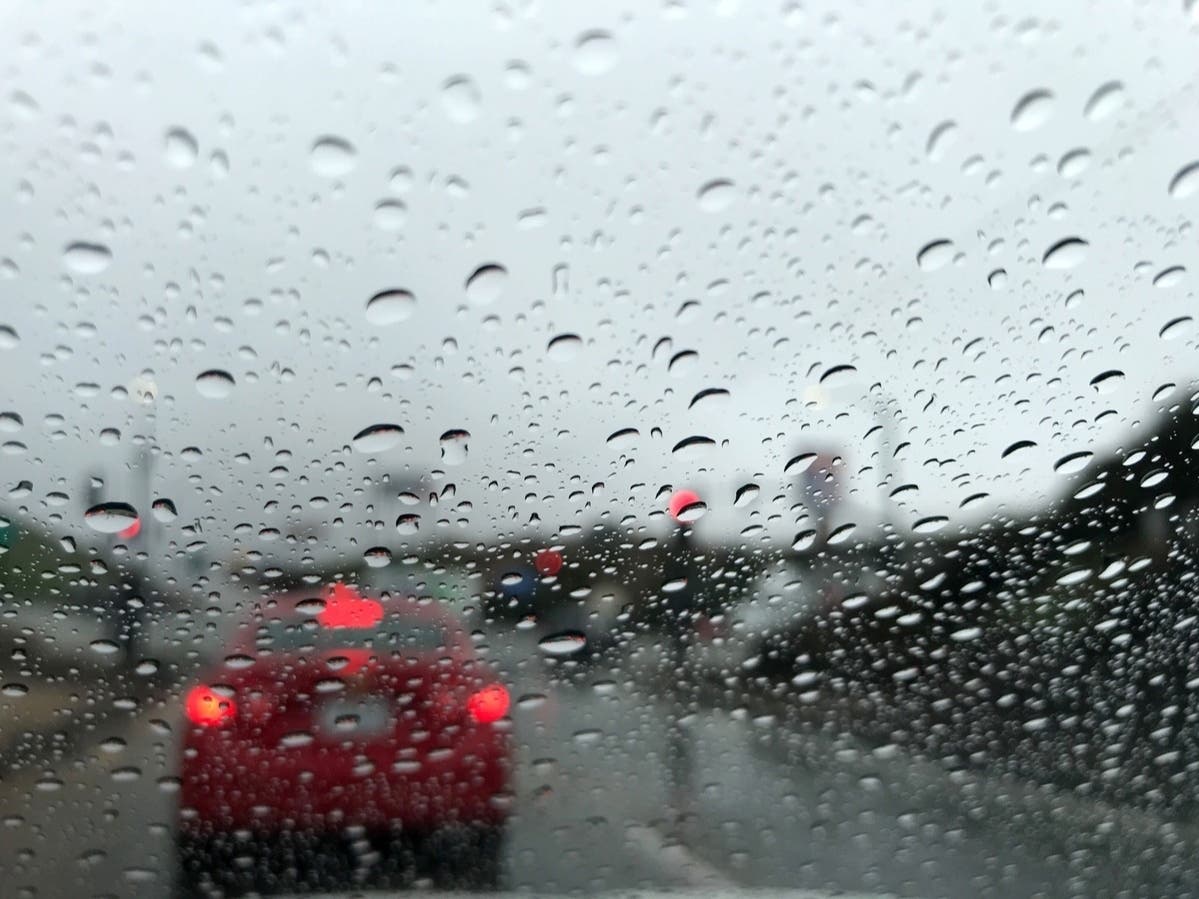
That all hinges on the weather, of course. The Hudson Valley forecast for the Lyrids peak dates calls for patchy drizzle Friday night, followed by possible showers Saturday and Sunday nights.
Find out what's happening in Mid Hudson Valleyfor free with the latest updates from Patch.
But if the weather cooperates, viewing conditions will be close to ideal. The moon will barely shine — it will be 2 percent illuminated and will set early in the evenings.
With all meteor showers, find an area that’s far from city lights or streetlights. Bring blankets and sleeping bags, and lie flat on your back, so you can take in as much of the sky as possible. Give your eyes a chance to adapt to the light, and you should begin to see meteors.
Find out what's happening in Mid Hudson Valleyfor free with the latest updates from Patch.
Meteors are leftover comet particles and bits broken from asteroids, When comets — in the case of the Lyrids, Comet Thatcher — orbit the sun, they leave behind a dusty trail. When Earth passes through the debris trail every year, these bits collide with our atmosphere and disintegrate into fiery, colorful streaks, according to NASA.
Comet Thatcher is a long-period comet whose orbit of the sun takes 415.5 years. To have seen its last closest approach to the sun, you’d have to have been around in 1861.
The Lyrids continue through April 29, intersecting with the Eta Aquariids, which also started on April 5.
Sometimes called the Eta Aquariids, the show runs through May 27 this year. The peak occurs May 5-6 — at the same time the full flower moon is 100 percent full.
The Eta Aquariids have a broad peak, and that means skywatchers may see elevated numbers of meteors a few days before and after the peak, though the moonlight will compete, according to EarthSky.org.
At the peak, the Eta Aquariids produce between 10 and 30 meteors an hour, according to NASA. They’re known for their speed, entering Earth’s atmosphere at about 148,000 miles an hour, and also for leaving glowing “trains” — incandescent bits of debris — that last for several sec
Get more local news delivered straight to your inbox. Sign up for free Patch newsletters and alerts.