Community Corner
Eminent Domain Lawsuits Could Be Dropped Against Peoplestown
Two Atlanta city councilors are asking the city's law department to drop eminent domain lawsuits against longtime Peoplestown residents.


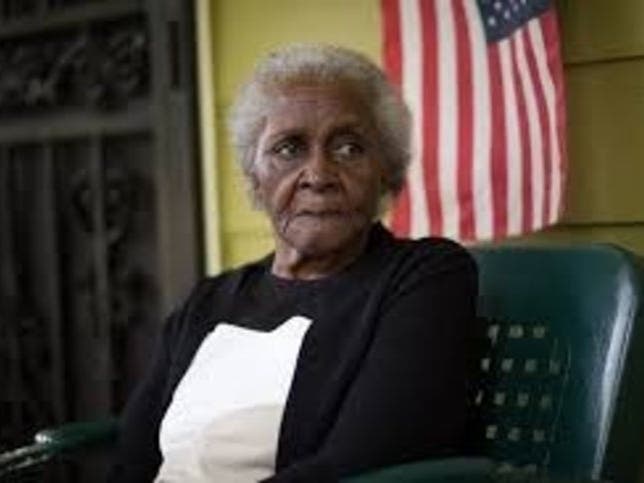
ATLANTA — Two members of the city council have introduced an ordinance that directs the city's law department to withdraw its eminent domain lawsuits against a number of Peoplestown residents. Michael Julian Bond and Andre Dickens introduced the ordinance on Tuesday. The ordinance will be considered by the city utilities committee on Tuesday afternoon.
One of the Peoplestown residents fighting to keep her home is 97-year-old Mattie Jackson, who has lived in the community for decades. Over the past six years, the city's use of eminent domain has allowed it to take ownership of more than 20 houses on Jackson's block, all of which it has demolished. Plans are to build a park and retention pond to address water runoff issues, but Jackson, along with Tanya Washington and others, are one of a handful of homeowners who have refused to sell.
Mayor Keisha Lance Bottoms met with some of the homeowners back on April 30, 2019 in a meeting her staff described as “productive.” The community's engineer provided a workaround plan, based on data the city provided in its discovery responses that would achieve the city’s flood mitigation goals and allow the residents to remain in their homes.
Find out what's happening in Atlantafor free with the latest updates from Patch.
Jackson herself has been an informal advisor to Atlanta mayors, city council members and others for decades. During her storied life, Jackson was part was part of a delegation that met with President Lyndon B. Johnson's cabinet about policies to protect the poor, which informed Johnson's signature legislation waging war on poverty in the U.S.
Jackson was also the community action leader for Equal Opportunity Atlanta from 1964 to 1988, and served on the Fulton Atlanta Community Action Authority for more than 30 years. In 1968, Jackson was awarded the Atlanta Journal Woman of the Year Cup for her efforts organizing and empowering southeast Atlanta communities. And she was a board member of the Atlanta Committee for the Olympic Games in 1996, and was instrumental in securing a community benefits agreement when the Olympic Stadium was constructed. Jackson even ran with the Olympic torch that same year while in her 70s.
Find out what's happening in Atlantafor free with the latest updates from Patch.
A report recently published by the National Community Reinvestment Coalition shows which Atlanta neighborhoods have been gentrified and, consequently, which groups of people were ultimately forced out of their homes. In Atlanta, much of the gentrification has taken place along the Fulton and Cobb borders, along the Bolton and Marietta road corridors in the city of Atlanta's proper northwest corner. The Edgewood and Kirkwood communities have also underwent gentrification, as indicated by a near-insatiable demand for new condos, apartments, restaurants and retail establishments along the developing Atlanta BeltLine.
Read more: Gentrification In Atlanta: See Areas Most Affected
Gentrification is a process that leaves winners and losers. It follows a deluge of investment and changes to the existing environment, and leads to rising home values, family incomes and an area's educational levels. That's the upside of gentrification.
The downside: it often results in cultural displacement, which is a fancy way of saying minorities are forced out in droves and replaced, often by "affluent, white gentrifiers," the researchers wrote.
Jackson's family wants her home to be kept in their name. Georgia Stand Up, a non-profit advocacy group, said residents have been coerced to allow the city to compensate them at prices lower than the long-term value of their homes.
Get more local news delivered straight to your inbox. Sign up for free Patch newsletters and alerts.