Community Corner
More Details Uncovered About Civil War Artillery Shell Found At Manassas Site
Officials say Civil War artifacts are recovered regularly around Manassas due to its location of several battles.


MANASSAS, VA — A Civil War era artillery shell uncovered at a Manassas historic site could be part of an upcoming exhibit, according to new information from the city government.
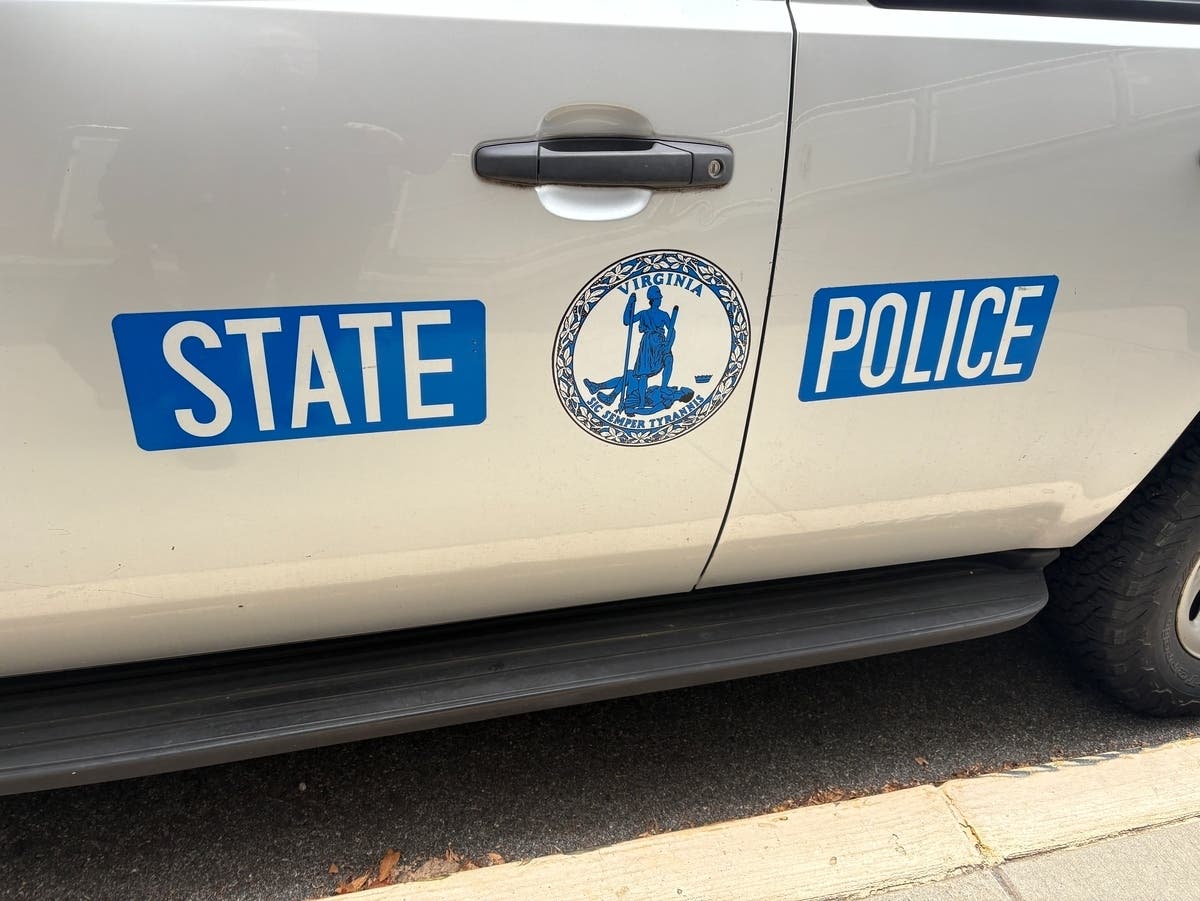
City Manager Steve Burke first told Manassas City Council last week about the Civil War artillery shell discovery on the grounds of the Liberia House near the stream at Portner and Breeden Avenues. Contractors had found the Schenkl artillery shell while working in the Liberia House Stream Restoration project. Manassas City Police requested Virginia State Police assistance to transport the projectile to Quantico Marine Base, where experts would work to ensure the shell no longer has explosive materials.
The Manassas Museum, which oversees Liberia House, is aiming to have the Schenkl shell in the upcoming "Liberia: Sentry to the Ages exhibit" opening on June 6. The exhibit will help mark Liberia House’s 200th anniversary.
Find out what's happening in Manassasfor free with the latest updates from Patch.
The Schenkl artillery shell is a type of projectile used by troops in the Civil War. The city has not yet confirmed if the projectile came from Union or Confederate troops. However, officials suspect the projectile may have come from the 2nd New York Battery during the Battle of Bull Run Bridge in 1862, which preceded the Second Battle of Bull Run/Manassas. The battery had been stationed at Liberia House and fired on Confederate troops stationed at Fort Beauregard on what is now Mathis Avenue.
The city government noted that Civil War artifacts are regularly discovered in the Manassas, which hosted numerous Civil War encampments, the First and Second Battles of Manassas/Bull Run, and the Battle of Bull Run Bridge. Archaeological surveys at Liberia House have found Civil War uniform buttons, bullets, horse equipment fragments, a sword, and personal items from 19th century military and civilian life. Many items uncovered at Liberia House will also be part of the upcoming exhibit.
Find out what's happening in Manassasfor free with the latest updates from Patch.
But historic artifacts aren't something any regular citizen can dig up. The Virginia Antiquities Act prohibits relic hunting as well as damage to and removal of antiquity artifacts from archaeological sites on public land. According to the Virginia Department of Historic Resources, archaeologists record exact locations of objects when excavating a site.
Liberia House is a site with ties to slavery and the Civil War. According to the City of Manassas website, the house was first built in 1825 by enslaved people for Harriett Bladen Mitchell Weir and William James Weir. By the time of the Civil War, it was one of western Prince William County's largest plantations, with more than 80 enslaved people.
During the Civil War, it served as a headquarters for Confederate troops, and later Union troops. When Union troops took over the location, President Abraham Lincoln visited in 1862. Confederate President Jefferson Davis was reported to have visited Liberia House in 1861. In 1862, Liberia House was at the center of the Battle of Bull Run Bridge.
Weir sold the property to Alexandria brewer Robert Portner in 1888, and it became used for dairy business. After the property passed to the Breedens in 1947, the City of Manassas began to pursue it in the 1970s to preserve the historic landmark and tourist attraction. The Breedens donated Liberia House and its 5.6 acres of land, and the city bought another 12.6 acres to protect from future development. The city put the Manassas Museum in charge of managing Liberia House.
According to Visit Manassas, Liberia House is one of the few early 1800s properties remaining in Manassas. Today, the house opens for special events, including the Manassas Bee Festival in June. The park grounds 8601 Portner Avenue are open from dawn to dusk daily.
Get more local news delivered straight to your inbox. Sign up for free Patch newsletters and alerts.