Crime & Safety
NoVA Man Accused In DC Pipe Bomb Plot Charged With Explosives Offense
A NoVA man is charged with the use of an explosive device after the FBI said he planted pipe bombs in DC ahead of the 2021 Capitol riot.


Updated at 2:30 p.m.
WASHINGTON, DC — A Northern Virginia man accused of placing pipe bombs outside the Republican and Democratic national party headquarters in Washington, D.C., on the eve of the Jan. 6 Capitol riot has been charged with an explosives offense, prosecutors said.
The suspect in custody has been identified as Brian Cole Jr., U.S. Attorney General Pam Bondi said at a news conference on Thursday. Two people familiar with the matter told The Associated Press he lives in Woodbridge, in Prince William County.
Find out what's happening in Washington DCfor free with the latest updates from Patch.
Cole has been charged with the use of an explosive device. More charges are possible as part of the ongoing investigation.
“Let me be clear: There was no new tip, there was no new witness. Just good, diligent police work and prosecutorial work,” Bondi said.
Find out what's happening in Washington DCfor free with the latest updates from Patch.
An FBI official told NBC News the arrest happened on Thursday morning.
Cole may have been arrested at a home on Manor House Court in Dale City on Thursday morning, NBC Washington reported. Property records indicate a man with Cole’s name owns a home on the cul-de-sac.
The suspect’s step-grandfather, Earl Donnette, told NBC Washington he spoke with the FBI about Cole, but declined to comment further. Cole’s father, Brian Cole Sr., declined to comment.
In an email, a spokesperson for Prince William County Public Schools confirmed to NBC News that Cole graduated from Hylton High School in 2013.
The arrest marks the first time investigators have settled on a suspect in an act that had long vexed law enforcement, spawned a multitude of conspiracy theories and remained an enduring mystery following the violent siege on the U.S. Capitol on Jan. 6, 2021.
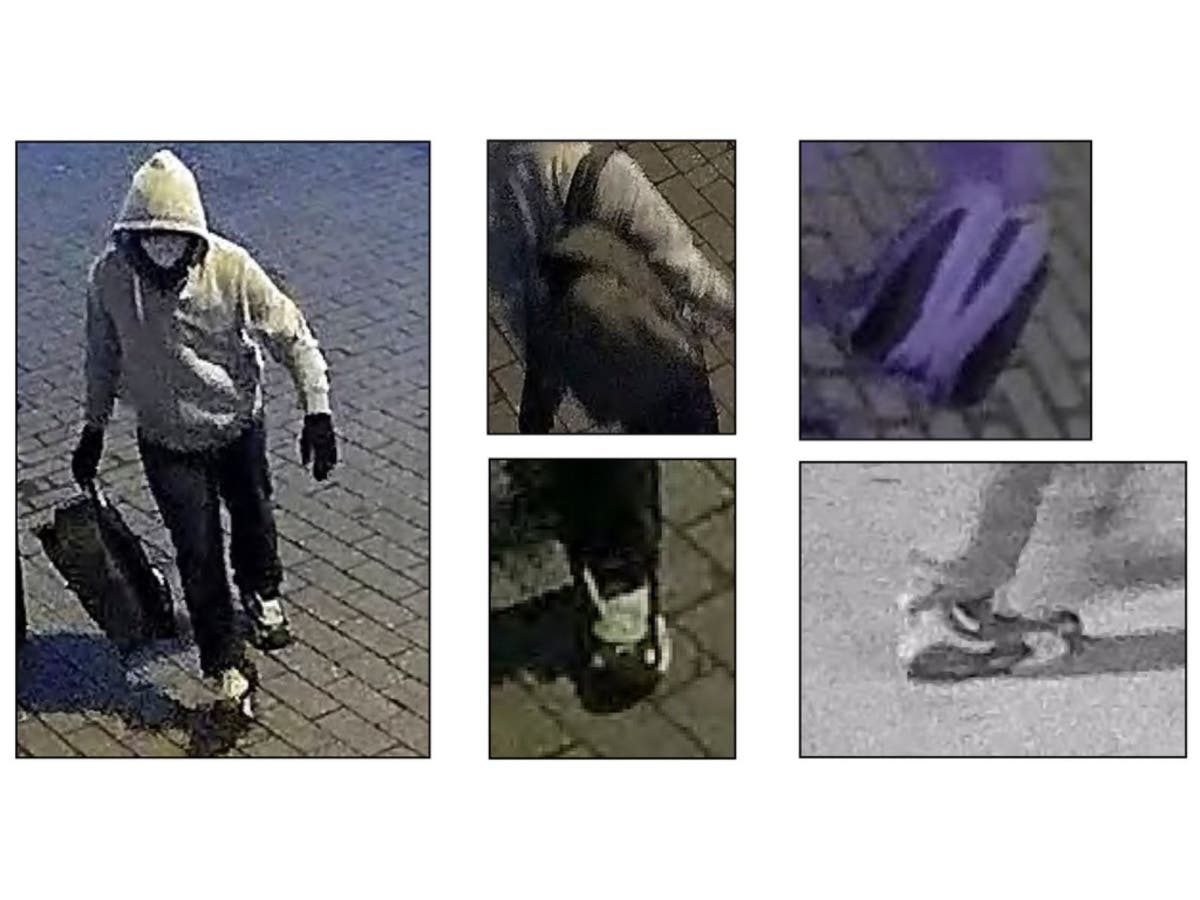
Between 7:30 and 8:30 p.m. on Jan. 5, an unknown person walked through the Capitol Hill neighborhood and placed a pipe bomb in an alleyway behind RNC headquarters at 310 First St. SE. They then walked to the area of the DNC headquarters at 430 S. Capitol St. SE and left a pipe bomb next to a park bench nearby.
Throughout the endeavor, the person wore a face mask, glasses, gloves and a gray hooded sweatshirt, according to the FBI. The suspect also wore black and light gray Nike Air Max Speed Turf shoes with a yellow logo and carried a backpack.
In the years since, investigators have sought the public’s help in identifying the shadowy subject seen on surveillance camera even as they struggled to determine answers to basic questions, including the person’s gender and motive and whether the act had a clear connection to the riot at the Capitol a day later when supporters of President Donald Trump stormed the building in a bid to halt the certification of the Republican's 2020 election loss to Democrat Joe Biden.
Seeking a breakthrough, the FBI last January publicized additional information about the investigation, including an estimate that the suspect was about 5-foot-7, as well as previously unreleased video of the suspect placing one of the bombs.
The bureau had struggled for years to pinpoint a suspect, despite receiving hundreds of tips, reviewing tens of thousands of video files and conducting a significant number of interviews.
In the absence of harder evidence, Republican lawmakers and right-wing media outlets promoted conspiracy theories about the pipe bombs. House Republicans also criticized security lapses, questioning how law enforcement failed to detect the bombs for 17 hours.
Dan Bongino, the current FBI deputy director, floated the possibility last year before being tapped for his job that the act was an “inside job” and involved a “massive cover-up.”
But since arriving at the FBI in March, he has sought to deliver action to a restive base on the far right by promising that the pipe bombs investigation would be a top priority and defending the bureau’s work.
“We brought in new personnel to take a look at the case, we flew in police officers and detectives working as TFOs (task force officers) to review FBI work, we conducted multiple internal reviews, held countless in person and SVTC meetings with investigative team members, we dramatically increased investigative resources, and we increased the public award for information in the case to utilize crowd-sourcing leads,” he wrote in a long post on X last month.
The Associated Press contributed reporting.
Get more local news delivered straight to your inbox. Sign up for free Patch newsletters and alerts.

