Politics & Government
EPA Cites Toll Brothers for Polluting Forked River’s Waters
Sea Breeze at Lacey was one of hundreds of Toll Brothers' housing developments throughout the country that was included in a settlement after allegedly violating the Clean Water Act


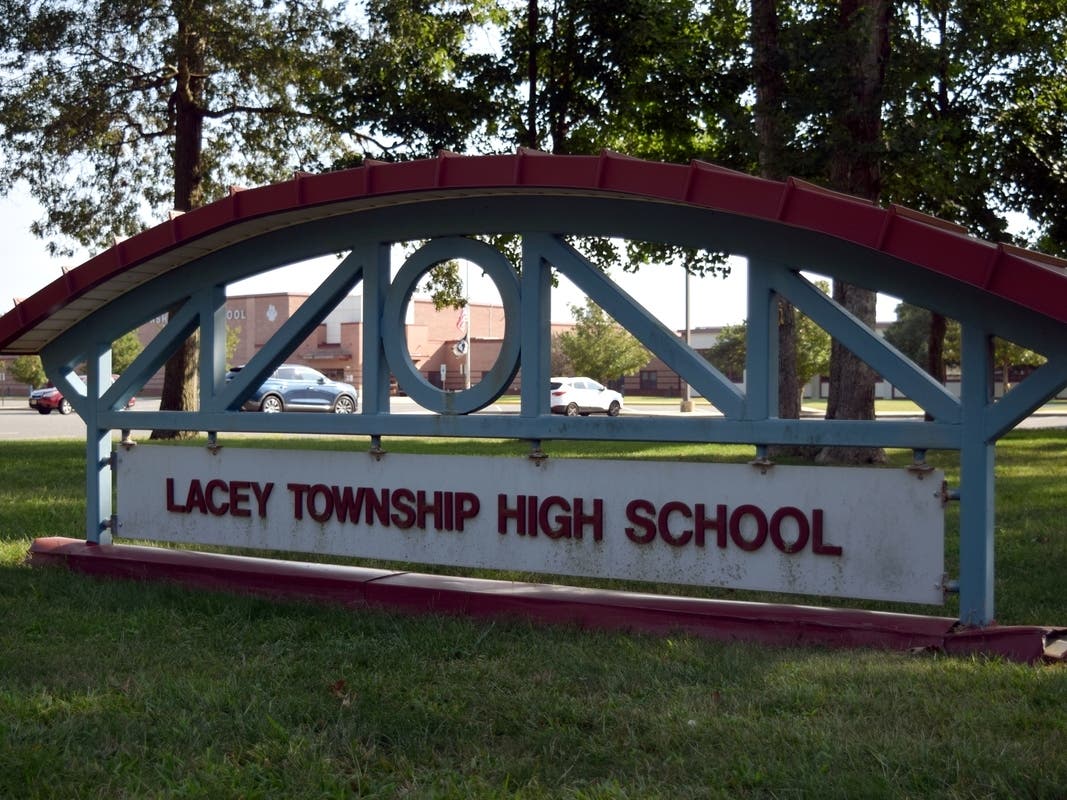
Sea Breeze at Lacey is just one of hundreds of Toll Brothers, Inc. housing developments throughout the country that was included in a recent settlement with the Environmental Protection Agency after allegedly violating the Clean Water Act.
Toll Brothers, one of the nation’s largest homebuilders, will pay a penalty of $741,000 to resolve the violations, which most notably encompassed issues with stormwater compliance at construction sites.
“Keeping contaminated stormwater runoff out of the nation’s waterways, like the Chesapeake Bay, is one of EPA’s top priorities,” said Cynthia Giles, assistant administrator for EPA’s Office of Enforcement and Compliance and Assurance.
Find out what's happening in Laceyfor free with the latest updates from Patch.
The settlement from Wednesday, June 20, will improve oversight of stormwater runoff at construction sites across the country, ultimately protecting America’s waters, Giles said.
The settlement covers 370 sites in 23 states including 43 in New Jersey. The company failed to comply with the conditions of permits pursuant to the Clean Water Act resulting in discharge of pollutants in stormwater.
Find out what's happening in Laceyfor free with the latest updates from Patch.
The Clean Water Act requires permits for the discharge of stormwater runoff, according to the EPA's website. The permits for Toll Brothers require that construction sites have controls in place — silt fences, phased site grading and sediment basins — to prevent pollution from being discharged with stormwater into nearby waterways such as Cedar Creek in Lacey.
Violations include the failure to stabilize disturbed soil and properly install and/or maintain stormwater controls such as silt fences, swales, sediment basins, sediment traps, storm drain inlet protection and construction entrances and exits, the EPA overview of the settlement said.
The complaint, which was filed simultaneously with the settlement agreement, alleges over 600 stormwater violations that were discovered through inspections and the review of documents submitted by Toll Brothers. The EPA estimated the settlement would prevent millions of pounds of sediment from entering U.S. waterways each year.
“The settlement requires Toll Brothers to implement system-wide management controls and training that will help prevent polluted stormwater runoff from contaminating rivers, lakes and sources of drinking water,” said Ignacia S. Moreno, assistant attorney general for the Environment and Natural Resources Division of the Department of Justice.
According to the EPA's overview of the settlement, Toll Brothers will be required to do the following:
- Obtain all necessary permits;
- Develop site-specific pollution prevention plans;
- Conduct additional site inspections beyond those required by stormwater regulations;
- Document and promptly correct any problems;
- Train construction managers and contractors on stormwater requirements and designate trained staff for each site;
- Submit national compliance summary reports to EPA based on management oversight inspections and reviews.
“These are exactly the types of reporting requirements that we have been saying that the state of New Jersey needs to do,” said Helen Henderson, a Lacey resident and Policy Advocate at the American Littoral Society, adding that the state could learn from the settlement.
Henderson was “startled” that 43 locations in New Jersey alone were in violation, she said.
“The Lacey Township development is built with minimal buffers along Cedar Creek,” she said. “Cedar Creek is one of the most esteemed waterways that drains to the Barnegat Bay. It’s very alarming to hear that was one of the sites in non-compliance and that it’s further adding to the pollution of the bay.”
The American Littoral Society is highly involved in soil compaction, metric fix and studying stormwater runoff, Henderson said. Although stormwater rules have been in place for nearly a decade, the state is not much further along.
New Jersey is one of the few states in the country with delegated authority for its own stormwater management program, she said. The American Littoral Society, along with other environmental organizations, has been participating in stakeholder rule meetings with the Department of Environmental Protection.
“They’re working to weaken stormwater rules in place right now,” she said. “Toll Brothers had more than 40 violations in New Jersey. We should not at all be considering weakening stormwater rules. Eventually it’s going to come back to bite us.”
The DEP’s lack of involvement was disappointing, Jeff Tittel, Director of the New Jersey Sierra Club said. While the United States will be receiving $701,947, Maryland will be getting $22,030 and Virginia $17,023 for joining in the settlement.
“What happened at these sites can lead to more pollution and more flooding, impacting the health and environment of the people of New Jersey. We are glad we still have an EPA to step up and do what New Jersey should have done,” said Tittel.
Since the violations crossed multiple states, it was appropriate for the EPA to handle the investigation, DEP spokesman Bob Considine said, although the state agency assisted.
“While it was the prerogative of two of the 23 states where the investigation took place to get involved in the settlement, the DEP felt a small amount of penalty money the state stood to gain could have been offset by staff costs and legal fees,” Considine said.
Without strict enforcement, Tittel said, state law is merely a suggestion and more developers will be in violation.
“I have to bring it all back to the fact that this is the Jersey Shore,” Henderson said. “Such a huge part of our economy hinges on clean water.”
Henderson was “baffled” that the state DEP wouldn’t join in the settlement, she said. Ninety percent of the state’s waterways are polluted in one way or another and failing in water quality.
“Not to take on an issue that deals with clean water and potentially the payback, It’s not just a court case, it’s about what the clean water gives back to the state as an economic benefit overall,” she said.
Janet Tauro of the New Jersey Environmental Federation said the violations were “inexcusable” as was the DEP’s lack of involvement, which is contrary to Governor Chris Christie’s 10-point plan to save the Barnegat Bay.
“Kudos to the EPA for cracking down on polluters. Thank heavens the EPA was watching,” she said. “DEP, please do better next time.”
Toll Brothers declined to comment.
For more information, click here for a breakdown of the settlement as well as the consent decree.
Get more local news delivered straight to your inbox. Sign up for free Patch newsletters and alerts.