Community Corner
Public Library Of Youngstown & Mahoning County: Girls Who Changed The World
March is Women's History Month. And by now, I'm sure you're familiar with a fair few of famous females throughout history. But did you k ...


Sarah
March 11th, 2022
Find out what's happening in Youngstownfor free with the latest updates from Patch.
March is Women’s History Month. And by now, I’m sure you’re familiar with a fair few of famous females throughout history. But did you know that there so many others who have changed the world? And did you know that some of them were teens – or younger – when they started changing the world? There are! And they were! So let’s look at a few lesser known, but equally important, girls who weren’t content with things staying the same. (Information was found using World Book Advanced, which can be accessed here with your library card number!)
Find out what's happening in Youngstownfor free with the latest updates from Patch.
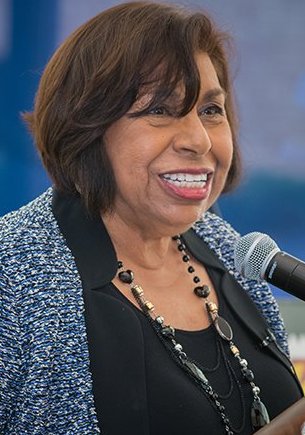
When Mendez was 8 years old, her aunt took her to register Mendez, her brothers, and her cousins at a school for white students. Mendez’ own father had attended the school years before, but she and her brother were rejected. Her cousins, though, were accepted since they had lighter skin and did not have a Latino last name. Mendez’ aunt wasn’t happy with that and took all the kids to the school for Latinos. Mendez said in this school, kids weren’t even taught to read or write. Instead, girls were taught things like sewing and knitting while boys learned labor-related tasks. Mendez’ father hired a civil rights lawyer, who worked with other families in other school districts. The case of Mendez v. Westminster ended up representing 5,000 Latino kids! The Mendez family won the lawsuit, and Mendez became one of the first Latino kids to attend a former all-white school. The case later served as a basis for the more well-known case of Brown v. the Board of Education of Topeka. She has continued her activism into adulthood to talk about her experiences and her family’s role in education equality.

Scholl was about 12 years old when Hitler came to power in Germany. Like many other German children, Scholl and her brother Hans were expected to – and did – participate in Hitler’s Youth. Eventually, the Scholl siblings began to voice their disagreement with Nazi policies. In 1942, the same year her father was arrested for speaking out against Hitler, Scholl enrolled in college. While there, she and her brother found a small group of friends who were also unhappy with the Nazi regime. Together, the friends formed the White Rose. The group bought a typewriter and began distributing pamphlets speaking out against the deportation and murder of Jews as well as criticizing Hitler. Scholl often distributed the pamphlets herself and secretly mailed them to German scholars. One night, Scholl was spotted handing out the pamphlets, leading to her arrest plus her brother’s and several other White Rose members. The trial was quick – Scholl, her brother Hans, and fellow White Rose member Christoph Probst were sentenced to death. They were executed on February 22, 1943.


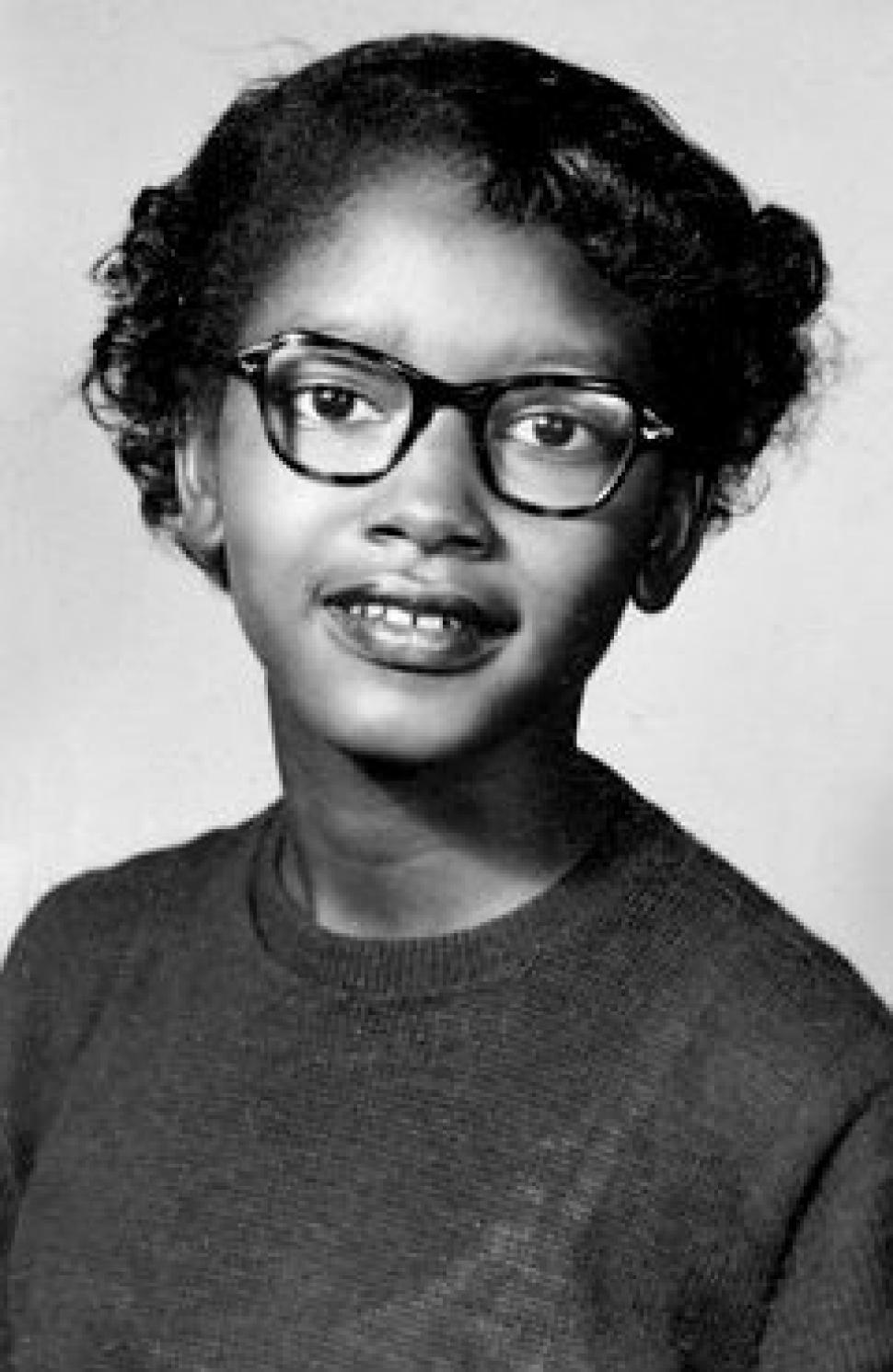
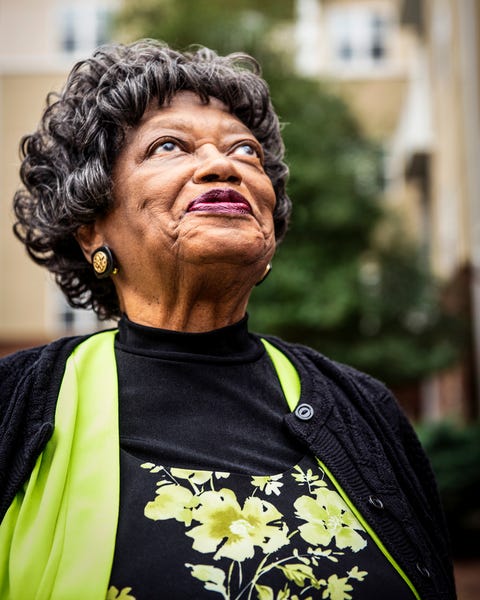
Colvin, at the age of 15, was arrested Montgomery, Alabama, in 1955 for refusing to leave a row of seats on a bus reserved for white passengers…nine months before Rosa Parks did not give up her seat. She was charged with disorderly conduct, violating a segregation ordinance, and assault & battery. After an appeal, only the assault charge was upheld. She then became an active member of the Youth Council of the Montgomery chapter of the NAACP. And while lawyers for the NAACP had been waiting for a case like Colvin’s to challenge bus segregation, they were hesitant to use a teen convicted of assaulting a police office as the face of the movement. In 1956, Colvin and three other women filed a lawsuit that became known as Browder v. Gayle challenging bus segregation in Alabama. They won their case and it was upheld by the Supreme Court. While Rosa Parks is the more famous face of the bus boycotts, Colvin is considered the first person to resist bus segregation in Alabama.
If anyone ever says you can’t do something because you’re too young, just remember these awesome ladies. They were your age, and they still made a big difference! The same goes if anyone says, “You’re just a girl.” Because remember what Queen Bey said: “Who run the world? Girls.”
Sarah
Sarah is a youth services librarian in Canfield. She pretty much only reads YA books, but she is easily distracted by a good picture book or anything Doctor Who related. Sarah loves to crochet and knit and can usually be found with a pile of yarn in her lap with one of her three dogs nearby. Originally from Texas, she still says “y’all” all the time and refuses to call carbonated beverages “pop.”
This press release was produced by the Public Library of Youngstown & Mahoning County. The views expressed here are the author’s own.
